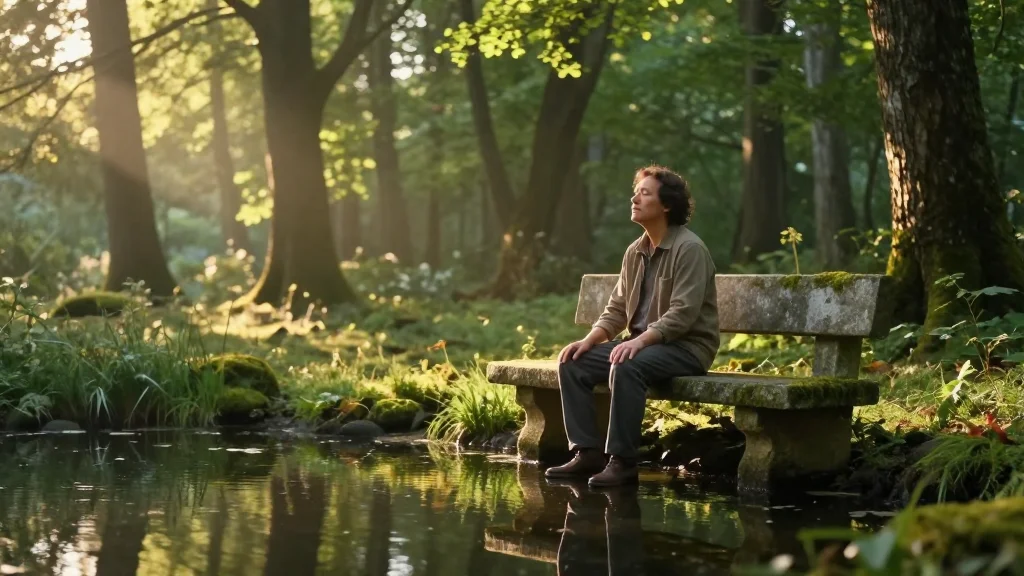
The Healing Power of Nature Reduces Stress, Anxiety and Depression
Why It Matters
Nature‑based interventions offer a low‑cost, scalable tool to curb rising mental‑health disorders, potentially easing pressure on healthcare systems and informing city design. Their proven efficacy could reshape public‑health policy and investment in green infrastructure.
Key Takeaways
- •Over 10 million participants studied across 3,800+ research papers
- •Nature exposure consistently lowers anxiety and depression scores
- •Green and blue spaces linked to measurable relaxation benefits
- •Evidence urges inclusion of nature in mental‑health programs
- •Rigorous randomized trials still needed to guide implementation
Pulse Analysis
The burgeoning field of nature‑based mental‑health interventions has moved from anecdotal practice to rigorous science, as demonstrated by a massive meta‑analysis covering thousands of studies and millions of participants. By aggregating diverse methodologies—from forest bathing to urban park visits—the analysis isolates a clear signal: regular exposure to natural settings yields statistically significant reductions in anxiety and depressive symptoms. This convergence of evidence not only validates centuries‑old therapeutic traditions but also provides a quantitative foundation for clinicians seeking non‑pharmacologic options.
Urban planners and policymakers are taking note. Cities worldwide are grappling with rising mental‑health burdens, and the economic case for green and blue spaces is strengthening. Studies cited in the review estimate that every dollar invested in accessible parks can generate multiple dollars in health‑care savings through reduced medication use and fewer hospital visits. Integrating nature corridors, community gardens, and waterfront promenades into zoning codes could therefore serve dual purposes: enhancing livability while delivering measurable public‑health returns. The momentum is evident in emerging municipal initiatives that prioritize biophilic design and prescribe “nature prescriptions” as part of primary‑care treatment plans.
Despite the optimism, the research community acknowledges gaps that must be bridged before policy can fully embrace nature‑based therapies. Most existing trials lack the randomization and control needed to isolate causal effects, and variations in dosage, setting, and participant demographics complicate standardization. Future investigations should focus on longitudinal, randomized designs that compare specific nature interventions against conventional treatments. Moreover, developing clear guidelines on frequency, duration, and type of exposure will help clinicians prescribe nature with the same precision as medication, ultimately turning the therapeutic promise of the natural world into a mainstream component of mental‑health care.
The healing power of nature reduces stress, anxiety and depression
Comments
Want to join the conversation?
Loading comments...