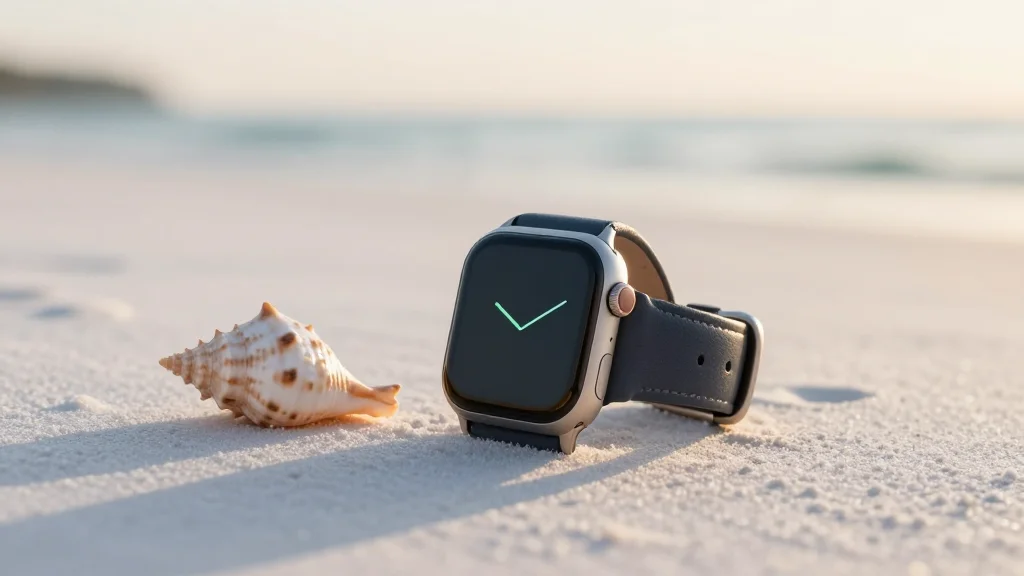
The Heart-Healthy Reason You Should Take A Vacation, According To Research
Why It Matters
The findings link leisure travel to measurable cardiovascular benefits, suggesting that both individuals and employers can improve health outcomes by encouraging structured, activity‑rich vacations rather than merely time off.
Key Takeaways
- •Texas A&M study tracked 20 students' heart data on a cruise.
- •Vacations produced intermittent heart rate spikes similar to HIIT training.
- •Longer trips yielded more sustained stress reduction than short getaways.
- •Novel activities combined with rest boost cardiovascular resilience.
- •Researchers suggest planning balanced activity and downtime for optimal heart health.
Pulse Analysis
Recent advances in wearable technology have turned vacations into a data‑rich laboratory for health researchers. By leveraging smartwatch accelerometers and gyroscopes, the Texas A&M team captured real‑time physiological responses during a cruise, a setting that naturally blends travel excitement with periods of rest. This granular approach moves beyond self‑reported well‑being surveys, offering objective evidence that leisure travel can trigger cardiovascular patterns akin to high‑intensity interval training, a regimen traditionally reserved for athletes.
The physiological underpinnings are twofold. First, novel stimuli—whether exploring a new city or engaging in water sports—prompt sympathetic nervous system activation, raising heart rate and oxygen demand. This brief surge mirrors the work phase of HIIT, stimulating cardiac muscle adaptation. Second, the subsequent relaxation phases trigger parasympathetic dominance, lowering cortisol and facilitating recovery. The study’s observation that longer trips sustain stress reduction underscores the importance of allowing sufficient time for the body to transition from the ‘fight’ to the ‘rest’ state, thereby enhancing overall heart resilience.
For businesses, the implications are actionable. Companies that promote extended, activity‑balanced vacations may see lower healthcare costs and higher employee productivity, as reduced chronic stress translates into fewer cardiovascular incidents. Individuals can also apply the research by designing trips that intersperse adventurous outings with deliberate downtime—think morning hikes followed by an afternoon spa session. As the evidence base grows, policymakers may consider incentivizing such structured travel, turning leisure into a preventive health strategy that benefits both the workforce and the broader economy.
The Heart-Healthy Reason You Should Take A Vacation, According To Research
Comments
Want to join the conversation?
Loading comments...