The Most Overlooked Muscles To Prevent Injury & Most People Don’t Train Them
Why It Matters
By shifting training emphasis to lower‑leg stabilizers, coaches and clinicians can dramatically reduce costly ACL injuries, extending athletes' careers and lowering healthcare expenses.
Key Takeaways
- •Soleus and posterior tibialis stabilize foot during landing
- •NBA study links foot landing pattern to ACL tears
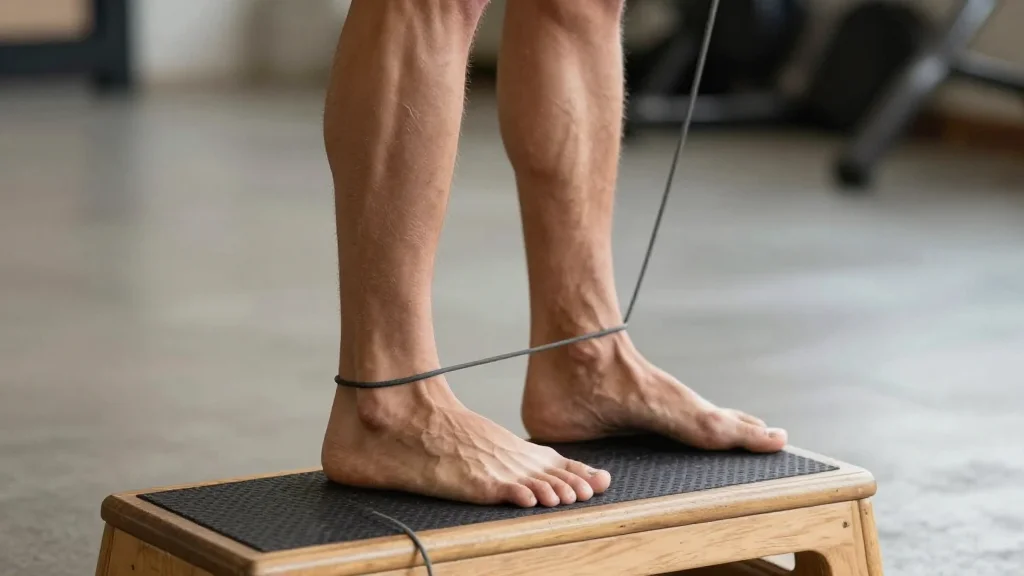
- •Single‑leg heel raises target under‑recognized lower‑leg muscles
- •Jump rope reinforces ankle‑to‑glute force transfer
- •Protocol cuts ACL injury risk up to 67%
Pulse Analysis
ACL injuries remain a leading cause of missed playing time and expensive surgeries in both professional and recreational sports. Traditional prevention programs prioritize the quadriceps, hamstrings, and glutes, assuming they absorb the majority of landing forces. However, emerging biomechanics research highlights the foot‑to‑shin complex as the first line of defense. When the foot lands on its outer edge, the tibia experiences a windshield‑wiper motion that strains the ACL. By reinforcing the soleus and posterior tibialis, athletes can correct this “translation” pattern before the knee is compromised.
The Peak Performance Project’s analysis of 400 NBA athletes combined motion‑capture data with injury logs, uncovering a direct correlation between faulty foot placement and ACL ruptures. Participants who incorporated a regimen of single‑leg heel raises, targeted jump‑rope drills, and hip‑stability exercises showed a 67% reduction in tear incidence. These exercises activate the deep calf muscles, improving plantarflexion control and promoting a forefoot landing that channels impact through the Achilles tendon, quadriceps, and glutes rather than the knee joint. The protocol’s low equipment requirement makes it scalable across training facilities and home gyms.
For strength‑and‑conditioning professionals, the implications are clear: integrating lower‑leg neuromuscular work can enhance injury‑prevention portfolios and deliver measurable performance gains. Sports medicine clinics may see fewer post‑operative ACL reconstructions, translating to lower treatment costs and faster return‑to‑play timelines. As the industry adopts this evidence‑based approach, we can expect a shift in curriculum design, equipment sales toward balance‑focused tools, and increased research funding aimed at refining foot‑centric biomechanics. Ultimately, the hidden muscles beneath the calf could become the cornerstone of next‑generation athletic resilience.
The Most Overlooked Muscles To Prevent Injury & Most People Don’t Train Them
Comments
Want to join the conversation?
Loading comments...