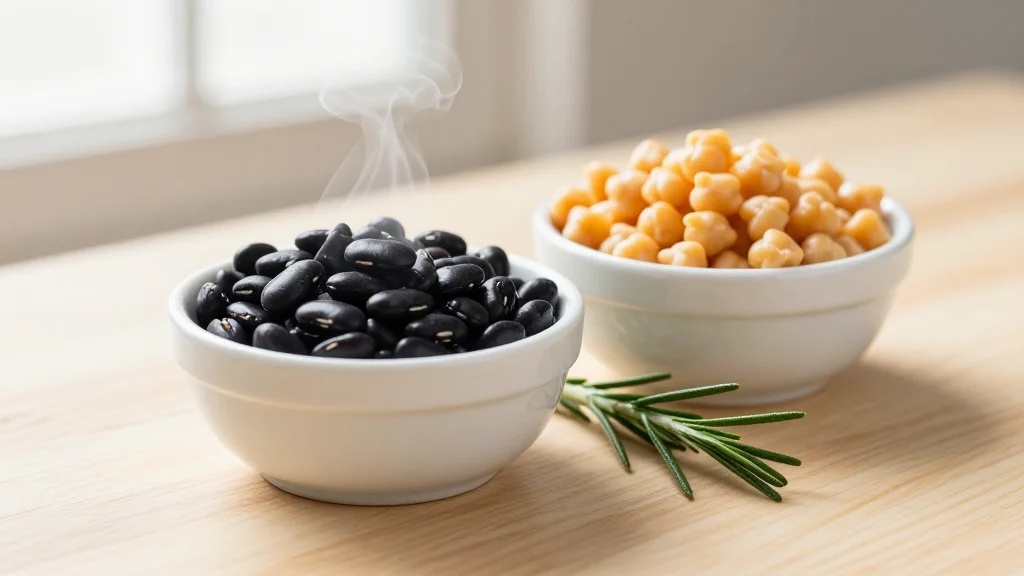
The One Ingredient You Should Be Eating Daily For Heart & Gut Health
Why It Matters
The findings provide clinical evidence that a simple, inexpensive dietary change can lower key cardiometabolic risk factors, supporting public‑health strategies that promote plant‑based proteins. This could influence nutrition guidelines and encourage broader adoption of beans in preventive diets.
Key Takeaways
- •One cup of chickpeas cut total cholesterol by ~14 mg/dL in 12 weeks
- •Black beans lowered IL‑6 inflammation marker from 2.6 to 1.9 pg/mL
- •Study involved 72 prediabetic adults, randomized to beans or rice
- •Beans provide soluble fiber that binds cholesterol for excretion
- •Cost per cooked cup of beans stays under $1, making them affordable
Pulse Analysis
Beans have long been celebrated for their nutrient density, offering a blend of soluble fiber, plant protein, and micronutrients like magnesium and polyphenols. While epidemiological studies have linked regular bean consumption to lower heart disease rates, the mechanisms—cholesterol binding in the gut and anti‑inflammatory compounds—have remained largely theoretical. Recent meta‑analyses confirm modest LDL reductions, but the new 12‑week trial provides the first controlled, head‑to‑head comparison of chickpeas, black beans, and a refined carbohydrate baseline, delivering concrete data on how specific bean varieties affect lipid panels and inflammatory markers.
The trial’s design—randomizing 72 adults with prediabetes to a daily cup of chickpeas, black beans, or white rice—offers a clear view of beans’ metabolic impact. Chickpeas produced a 7% drop in total cholesterol, driven primarily by lower LDL, while black beans cut IL‑6 by roughly 27%, signaling reduced systemic inflammation. Both outcomes are clinically meaningful for individuals at elevated cardiovascular risk. Importantly, the study controlled for total caloric intake, isolating the beans’ fiber and resistant‑starch effects on glycemic stability and satiety, which may further support weight management and insulin sensitivity.
From a public‑health perspective, the affordability and versatility of beans make them a pragmatic tool for disease prevention. At under $1 per cooked cup, beans can be incorporated into school meals, workplace cafeterias, and low‑income food programs without straining budgets. Policymakers and dietitians may leverage these findings to update dietary guidelines, emphasizing a daily serving of legumes as a cornerstone of heart‑healthy eating. Future research should explore long‑term outcomes, optimal portion sizes, and the comparative benefits of different bean species across diverse populations, paving the way for evidence‑based nutrition recommendations that are both effective and accessible.
The One Ingredient You Should Be Eating Daily For Heart & Gut Health
Comments
Want to join the conversation?
Loading comments...