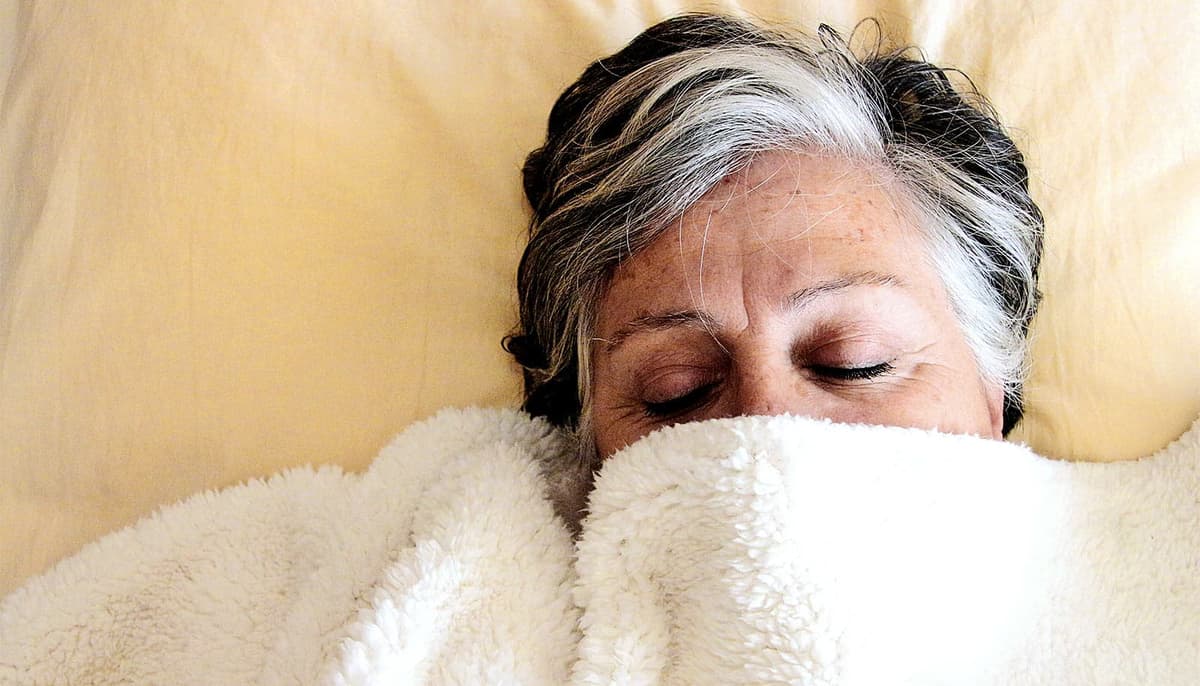
The Right Exercise Improves Sleep Most for Older Adults with Cognitive Impairment
Why It Matters
Improving sleep through specific exercise intensities offers a scalable, non‑pharmacologic tool to enhance quality of life and reduce dementia risk among the rapidly growing senior population with MCI.
Key Takeaways
- •High‑intensity exercise cuts sleep disruptions most for MCI seniors
- •Light activity helps, but moderate exercise shows no significant effect
- •Study used Oura Rings for objective sleep and activity tracking
- •Sample size was seven participants over 14 days, limiting generalizability
- •Projected U.S. MCI population to exceed 21 million by 2060
Pulse Analysis
Sleep quality is a cornerstone of cognitive health, especially for older adults facing mild cognitive impairment (MCI). In the United States, an estimated 8‑10 million seniors live with MCI, a condition that often precedes dementia and is linked to shorter sleep duration, longer sleep onset, and frequent nighttime awakenings. As the population ages, the number of Americans with MCI is projected to rise 76 percent, surpassing 21 million by 2060. Improving sleep therefore represents a low‑cost lever to slow cognitive decline and enhance quality of life.
The recent Texas A&M study, published in Digital Health, provides the first objective comparison of exercise intensity on sleep disturbances in this vulnerable group. Researchers equipped seven long‑term‑care residents with Oura Rings, which continuously recorded movement, heart rate, and skin temperature. Over a two‑week period, participants engaged in light, moderate, or vigorous activity, classified by metabolic equivalents. Results showed that each additional second of vigorous exercise reduced sleep disruptions by roughly 0.2 seconds, while light activity offered modest gains and moderate activity produced no measurable benefit.
These findings have immediate implications for caregivers, senior‑living facilities, and public‑health planners. Tailored high‑intensity programs—such as supervised swimming, cycling, or interval walking—could be integrated into daily routines to maximize sleep benefits without requiring extensive equipment. At the same time, the study’s small sample underscores the need for larger, diversified trials that differentiate cardio versus strength modalities and assess long‑term outcomes. If replicated, the evidence could shift clinical guidelines toward prescribing specific exercise intensities as a non‑pharmacologic strategy to protect brain health.
The right exercise improves sleep most for older adults with cognitive impairment
Comments
Want to join the conversation?
Loading comments...