Companies Mentioned
Why It Matters
Integrating poetry into therapy expands treatment options for patients who struggle with verbal expression, improving engagement and outcomes in mental‑health care.
Key Takeaways
- •Poetry writing enhances self‑awareness and emotional processing
- •It complements talk therapy, especially for clients averse to speaking
- •Simple prompts and rituals can launch a consistent poetry practice
- •Various forms—free verse, haiku, ekphrastic—offer flexible therapeutic tools
Pulse Analysis
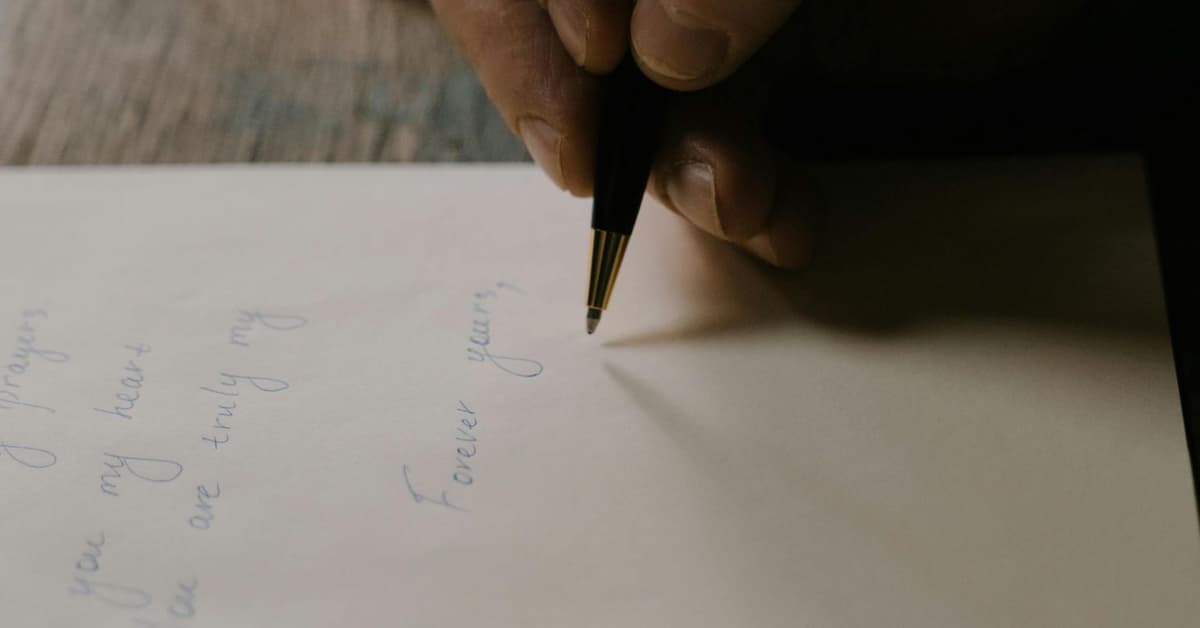
Expressive‑arts therapies have moved from niche workshops to mainstream mental‑health practice, and poetry is at the forefront of this shift. Recent studies link creative writing to reduced cortisol levels, improved mood, and heightened self‑reflection, making it a natural adjunct to conventional psychotherapy. By inviting clients to translate feelings into rhythm and metaphor, poetry creates a safe distance that can lower defenses and unlock hidden narratives. The timing aligns with April’s National Poetry Month, a cultural moment that amplifies public interest and provides a ready platform for clinicians to introduce poetic exercises.
Therapists can weave poetry into sessions with minimal preparation by using structured prompts and brief rituals. Simple exercises—such as writing a haiku about a recent emotion or drafting a list poem around a recurring thought—require only a notebook and a few minutes, yet they generate rich material for discussion. Different forms, from free‑verse to ekphrastic pieces, accommodate varied client preferences and literacy levels, making the approach inclusive. Moreover, reading aloud and revising lines together reinforces active listening and collaborative meaning‑making, strengthening the therapeutic alliance while cultivating mindfulness.
Looking ahead, digital platforms are poised to amplify poetry‑based interventions, offering guided writing apps, audio recordings of poets, and virtual workshops that scale beyond the therapist’s office. Training programs for counselors now include modules on creative‑writing techniques, signaling a market demand for clinicians skilled in expressive arts. As insurance providers recognize the cost‑effectiveness of adjunctive therapies that reduce session length and relapse rates, practices that embed poetry may see a competitive edge. Ultimately, the convergence of mental‑health research, technology, and cultural enthusiasm positions poetry as a sustainable, low‑cost tool for emotional resilience.
The Secret to Poetry
Comments
Want to join the conversation?
Loading comments...