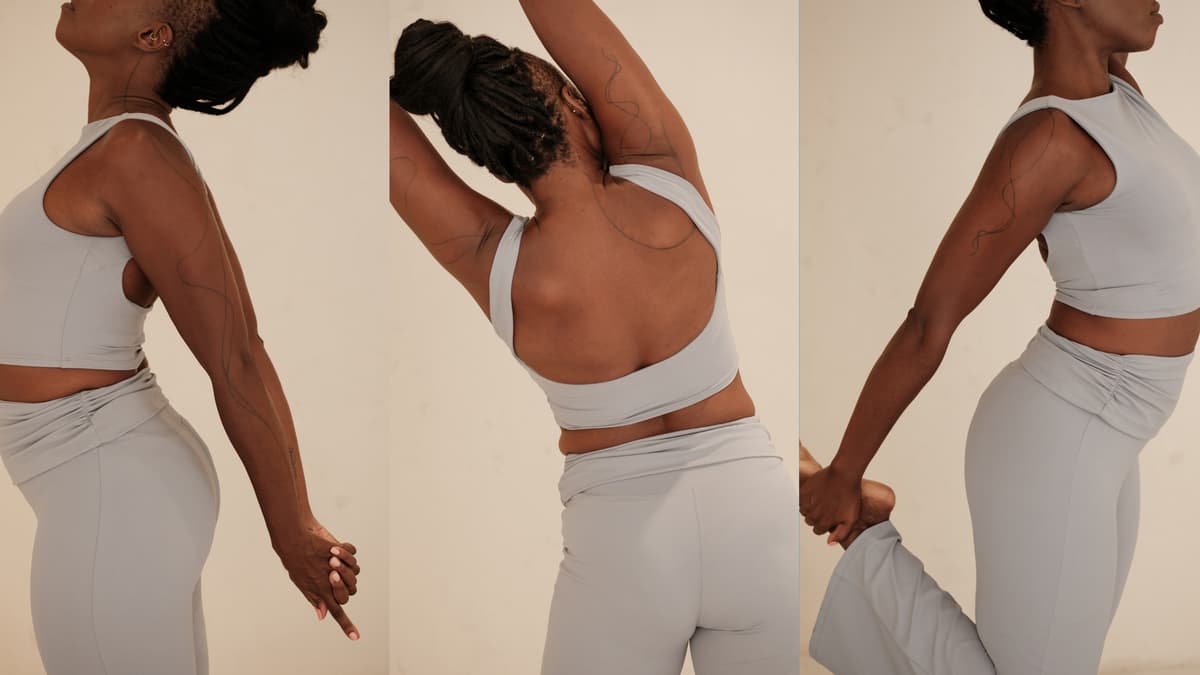
There Are 6 Types of Stretches. Here’s How They Benefit Your Body.
Why It Matters
Understanding and applying varied stretch techniques can extend active lifespan and reduce healthcare costs, a priority for both individuals and the growing wellness industry.
Key Takeaways
- •Dynamic stretches warm joints and boost blood flow before activity
- •Static holds improve range of motion after muscles are warmed
- •Active stretches use muscle strength to enhance control at end range
- •Passive stretches rely on gravity or props, targeting connective tissue
- •PNF combines contraction and stretch for superior flexibility gains
Pulse Analysis
Recent epidemiological studies link greater joint flexibility to reduced mortality risk, suggesting that regular stretching may be as protective as aerobic exercise. As the baby‑boomer cohort ages, demand for programs that safely enhance mobility is surging, prompting gyms and health insurers to incorporate flexibility metrics into wellness assessments. This shift reflects a broader recognition that functional range of motion underpins everyday independence, from reaching high shelves to preventing falls.
The six stretch modalities each serve distinct physiological purposes. Dynamic movements increase synovial fluid circulation, priming muscles for activity, while static holds lengthen fibers after they’re heated. Active and isometric stretches engage the nervous system, teaching muscles to lengthen under load, whereas passive techniques exploit gravity to target fascia and ligaments. PNF leverages brief contractions to override reflex inhibition, delivering the deepest gains in a short time. Fitness studios now design hybrid classes that rotate through these methods, offering participants a comprehensive flexibility curriculum.
For the business side, this nuanced approach opens new revenue streams. Studios can market premium “flexibility labs” featuring specialized equipment like straps, blocks, and resistance bands, while physical‑therapy clinics expand services to include PNF‑guided sessions. Corporate wellness programs are adding stretch breaks to combat sedentary‑related stiffness, boosting employee productivity. As consumer awareness grows, brands that educate clients on the science of stretching will differentiate themselves, driving membership growth and ancillary product sales in a competitive market.
There Are 6 Types of Stretches. Here’s How They Benefit Your Body.
Comments
Want to join the conversation?
Loading comments...