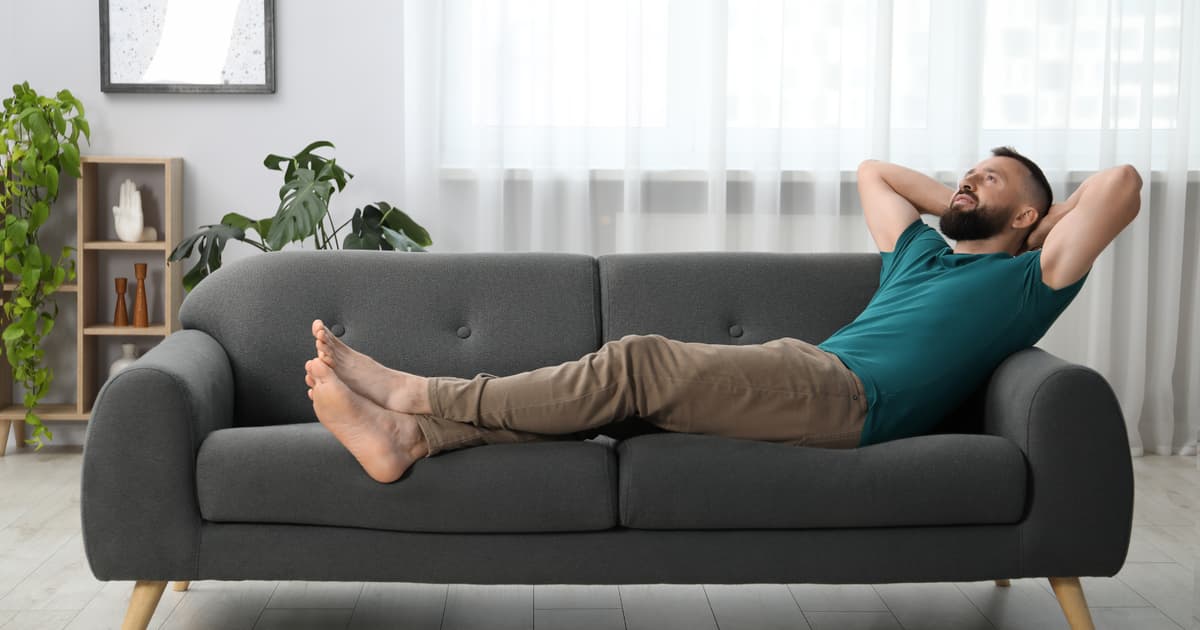
There’s a NASA Concept Called “Habitability,” And It Helps Explain Why some Homes Feel Calm While Others Quietly Drain You
Companies Mentioned

NASA
Why It Matters
Understanding habitability lets the real‑estate and design industries create living spaces that actively promote health and productivity, a growing priority for remote workers and wellness‑focused consumers.
Key Takeaways
- •NASA defines habitability as health, performance, wellbeing in enclosed spaces
- •Core factors: acoustic, lighting, zoning, privacy, sensory variety, restorative elements
- •Small, unnoticed issues like noise or layout accumulate to drain occupants
- •Habitability checklist reveals cheap fixes such as bulbs or furniture moves
- •Home comfort depends more on habitability variables than style or size
Pulse Analysis
The term “habitability” originated in NASA’s human‑factors research, where engineers had to ensure that spacecraft and orbital stations supported crew health, performance and psychological wellbeing over months of confinement. The seminal 1985 report *Living Aloft* and the later NASA‑STD‑3001 standard codified a checklist that goes beyond air, water and temperature, focusing on acoustic comfort, circadian lighting, functional zoning, privacy, sensory diversity and restorative cues such as views or natural materials. Those criteria were born out of the extreme constraints of spaceflight, yet they map directly onto any enclosed environment where people spend extended time.
When the same habitability lens is applied to a typical apartment, the differences become striking. Two flats of identical size and layout can feel worlds apart because one manages low‑grade background noise, offers separate zones for work and sleep, and provides daylight that aligns with the resident’s circadian rhythm, while the other does not. The research shows that minor, often unnoticed flaws—a humming ventilation fan, a single overhead bulb, a kitchen that doubles as a living area—gradually sap energy and increase stress. Over weeks and months these “quiet drainers” add up, turning an otherwise pleasant space into a subtle source of fatigue.
For interior designers, property developers and wellness‑focused brands, the habitability framework offers a data‑driven vocabulary to diagnose and improve residential environments. Simple interventions—re‑routing acoustic pathways, installing tunable LED lighting, adding visual privacy screens, or incorporating plants for soft fascination—can boost occupant satisfaction without major renovations. As remote work and mental‑health awareness reshape housing demand, marketers that highlight habitability‑based upgrades may command premium rents and differentiate listings in a crowded market. Ultimately, the NASA‑derived checklist reminds us that a home’s restorative power hinges on subtle environmental variables more than on décor trends.
There’s a NASA concept called “habitability,” and it helps explain why some homes feel calm while others quietly drain you
Comments
Want to join the conversation?
Loading comments...