These 3 Minerals Are A+ For Boosting Your Mood & Mental Health
Why It Matters
Identifying specific minerals that mitigate depressive symptoms gives clinicians and the food industry a tangible target for preventive health strategies, potentially reducing treatment costs and expanding market demand for nutrient‑focused products.
Key Takeaways
- •Potassium, iron, zinc linked to lower depression risk
- •Study analyzed US and Korean health surveys
- •Higher mineral intake supports neurotransmitter balance
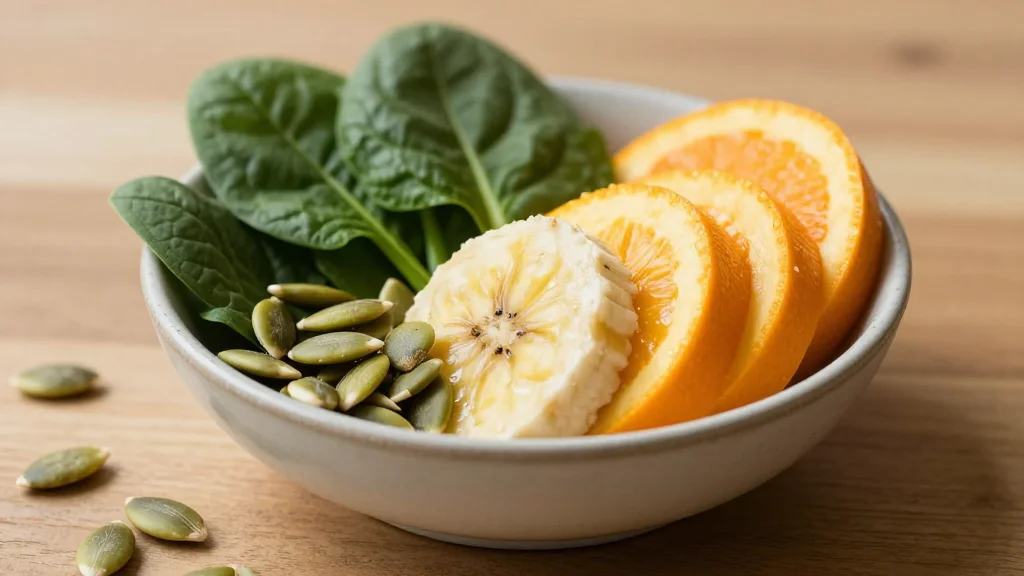
- •Food sources include fruits, meat, legumes, and seeds
- •Blood tests can identify mineral deficiencies
Pulse Analysis
The relationship between diet and mental health has moved from anecdote to data‑driven science. A recent cross‑national analysis of tens of thousands of adults from the United States and South Korea found that higher dietary intake of potassium, iron and zinc correlates with a measurable reduction in depressive symptoms, as assessed by the PHQ‑9 questionnaire. By controlling for age, income, exercise and other lifestyle factors, researchers isolated these three minerals as the most consistent predictors of mood resilience, suggesting a physiological pathway that goes beyond calories or macronutrients.
This insight is reshaping the nutrition market. Food manufacturers are already reformulating snack bars, fortified cereals and plant‑based meat alternatives to highlight mineral content, while supplement companies are launching targeted “mood‑support” blends that emphasize bioavailable iron and zinc. Investors see a growing segment of health‑conscious consumers willing to pay premium prices for products that promise both physical and mental benefits. As insurers explore preventive nutrition strategies, the economic incentive to incorporate mineral‑rich ingredients into institutional meals and corporate wellness programs is likely to increase.
For individuals, the practical takeaway is straightforward: diversify the plate with potassium‑rich fruits and vegetables, iron‑dense meats or legumes, and zinc‑packed seeds or oysters. Regular blood testing can confirm adequacy and guide supplementation when dietary gaps persist. When combined with sleep hygiene, physical activity and professional mental‑health care, mineral optimization becomes a low‑cost, scalable layer of support. Ongoing longitudinal studies will clarify dosage thresholds, but the current evidence already encourages clinicians to consider nutrition as a complementary tool in depression management.
These 3 Minerals Are A+ For Boosting Your Mood & Mental Health
Comments
Want to join the conversation?
Loading comments...