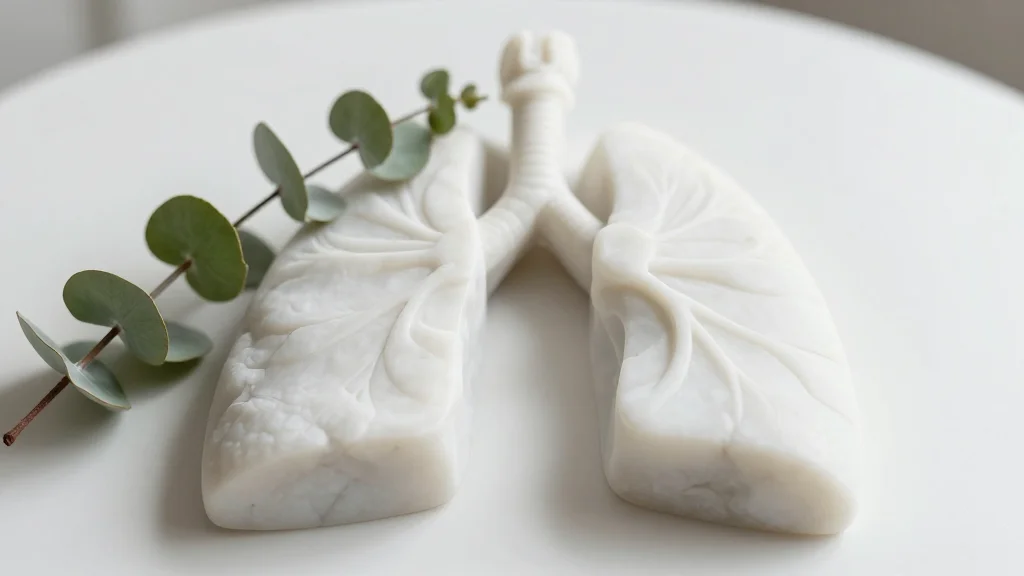
These Common Cleaners Could Be Doing Serious Damage To Your Lungs
Why It Matters
Because QACs are ubiquitous in disinfectant sprays, their inhalation risk could increase asthma and COPD cases, prompting consumers and regulators to reconsider cleaning product formulations.
Key Takeaways
- •Inhaled QACs cause 100‑fold more lung injury than ingestion.
- •Mouse blood QAC levels matched those detected in human studies.
- •FDA bans on triclosan boosted QAC use, especially in spray disinfectants.
- •Safer Choice, Non‑GMO, B‑Corp labels identify lower‑risk cleaning alternatives.
Pulse Analysis
The surge of quaternary ammonium compounds (QACs) in household disinfectants has long been justified by their broad‑spectrum antimicrobial activity, yet recent peer‑reviewed research in Environmental Science & Technology reveals a stark downside: inhalation of aerosolized QACs triggers lung injury at magnitudes 100 times greater than oral exposure. In a controlled mouse model, researchers measured blood concentrations of QACs after breathing the chemicals and found them indistinguishable from levels reported in human biomonitoring studies. The toxicological response included severe airway inflammation, underscoring a direct pathway from everyday cleaning sprays to respiratory disease.
The timing of this finding aligns with two market forces that amplified QAC prevalence. First, the U.S. Food and Drug Administration’s 2015 prohibition of triclosan and triclocarban removed popular antimicrobial agents, prompting manufacturers to substitute QACs in wipes, sprays, and surface cleaners. Second, the COVID‑19 pandemic drove a consumer‑fueled spike in disinfectant use, pushing airborne QAC concentrations upward in homes and public spaces. Industry data estimate annual QAC production and importation exceeds one million pounds—roughly $1.25 million—highlighting the scale of exposure risk.
For businesses and consumers alike, the study signals a shift toward safer formulation strategies. Products bearing the EPA Safer Choice label, as well as certifications such as Non‑GMO Project, B‑Corp, and MADE SAFE, typically avoid high‑risk QACs and favor biodegradable surfactants or hydrogen peroxide‑based agents. Retailers can differentiate their shelves by curating these alternatives, while manufacturers may invest in green chemistry to meet emerging regulatory scrutiny. Continued epidemiological monitoring will be essential, but the current evidence already justifies a precautionary move away from aerosol QAC disinfectants.
These Common Cleaners Could Be Doing Serious Damage To Your Lungs
Comments
Want to join the conversation?
Loading comments...