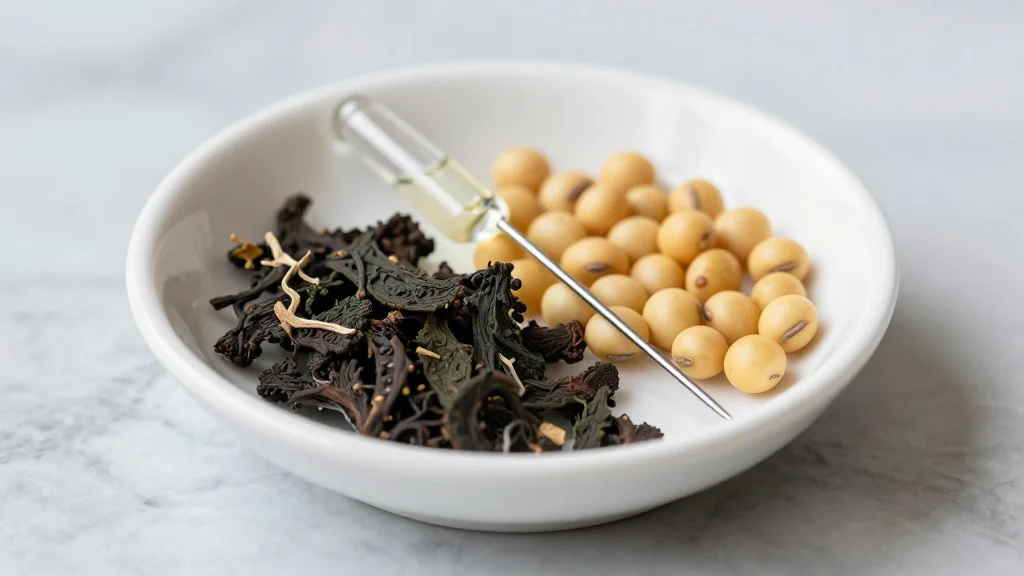
Thinking About Acupuncture or Herbs for Menopause? Read This First
Why It Matters
The findings highlight that many popular non‑hormonal options lack robust evidence, urging clinicians to guide patients toward proven treatments and lifestyle changes. This impacts how healthcare providers counsel the growing market of menopause‑focused complementary products.
Key Takeaways
- •Black cohosh improves hot flashes and overall menopause scores
- •Soy isoflavones reduce hot flashes; red‑clover does not
- •Chinese herbal formulas improve sleep and menopause scores; short‑term safety shown
- •Electro‑acupuncture reduces hot flashes; regular acupuncture lacks evidence
- •Evidence quality low; clinicians cannot fully endorse most complementary therapies
Pulse Analysis
Menopause affects millions of women in the United States, prompting many to seek alternatives to hormone replacement therapy (HRT) due to side‑effects or contraindications such as breast cancer risk. Complementary therapies—ranging from acupuncture to herbal blends—have surged in popularity, driven by consumer demand for “natural” solutions. Yet the medical community has struggled to separate anecdote from data, leaving a gap in evidence‑based guidance for both patients and providers.
The recent review, which aggregated 158 clinical trials and systematic reviews, offers the most comprehensive snapshot of the field to date. Black cohosh emerged as one of the few botanicals with consistent improvements in hot‑flash frequency and overall menopause symptom scores, while soy‑derived isoflavones showed similar benefits; red‑clover, however, failed to deliver. Chinese herbal formulas, particularly Suan Zao Ren Tang, demonstrated short‑term gains in sleep quality and overall symptom burden, and electro‑acupuncture provided modest relief for hot flashes. Conversely, standard acupuncture lacked convincing evidence, and vitamin D plus calcium should be reserved for women with osteoporosis, given potential cardiovascular risks with long‑term use.
For clinicians, the takeaway is clear: while some complementary options may offer adjunctive relief, the prevailing low methodological quality limits definitive endorsement. Patients should be counseled to prioritize evidence‑backed interventions—such as HRT when appropriate—and maintain core lifestyle habits that mitigate menopause‑related health risks. Meanwhile, the research community must invest in larger, double‑blind, placebo‑controlled trials to clarify safety and efficacy, ensuring that the burgeoning market for menopause‑focused supplements and services aligns with rigorous scientific standards.
Thinking about acupuncture or herbs for menopause? Read this first
Comments
Want to join the conversation?
Loading comments...