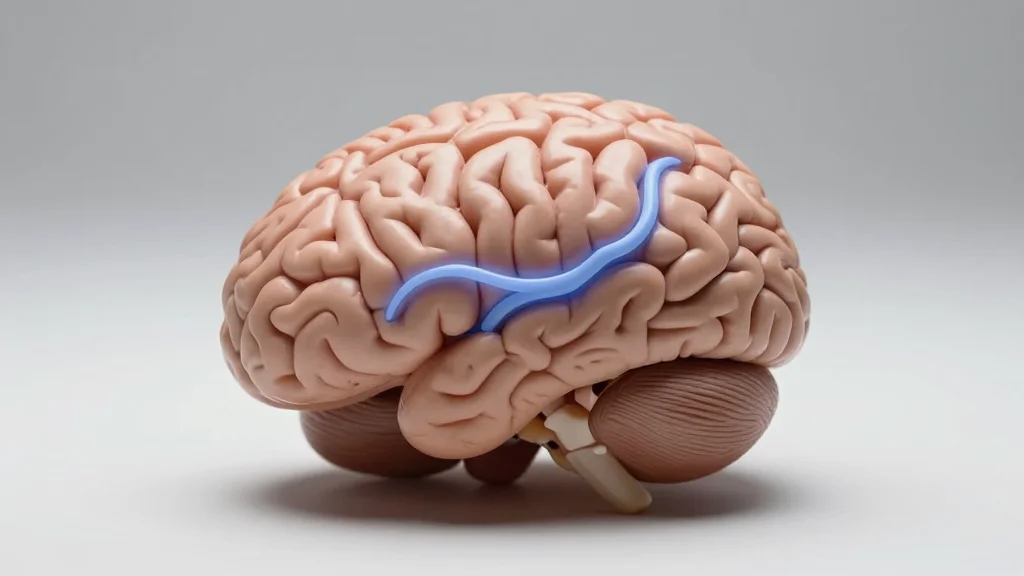
This Brain Pathway May Reduce Pain Without Medication, Study Shows
Why It Matters
The discovery of a biologically grounded placebo pathway could reduce reliance on opioid medications and reshape pain‑treatment paradigms, highlighting the therapeutic value of expectation‑based interventions.
Key Takeaways
- •UCSD mapped prefrontal cortex to vlPAG pain‑relief circuit.
- •Activation yielded 30‑60% of morphine’s analgesia in mice.
- •Naloxone blocked effect, confirming endogenous opioid involvement.
- •Expectation‑based conditioning reduced pain sensitivity before injury.
Pulse Analysis
The placebo effect has long been dismissed as a purely psychological trick, but a new study from UC San Diego challenges that notion by pinpointing a concrete neural circuit that translates expectation into measurable analgesia. By tracing connections from the prefrontal cortex—where expectations are formed—to the ventrolateral periaqueductal gray in the brainstem, researchers demonstrated that learned anticipation can activate the brain’s own opioid system, producing pain relief comparable to a fraction of morphine’s potency.
In the mouse experiments, optogenetic stimulation of the identified pathway generated 30‑60% of morphine’s pain‑blocking effect, and the relief vanished when naloxone, an opioid‑receptor blocker, was administered. This pharmacological validation confirms that the brain’s endogenous opioids, not a vague mental state, drive the observed benefit. The circuit’s influence extended across multiple pain modalities, and pre‑conditioning mice before injury blunted later sensitivity, suggesting a preventive angle for chronic pain disorders. These mechanistic insights dovetail with the efficacy reported for cognitive‑behavioral therapy, mindfulness, and other mind‑body practices, offering a scientific bridge between behavioral interventions and neurobiology.
Looking ahead, translating this pre‑clinical discovery into human therapies could reshape pain management by integrating expectation‑based conditioning into standard care, potentially lowering opioid prescriptions and associated risks. Clinical trials will need to verify whether similar pathways exist in people and how best to harness them through training, virtual reality, or neuromodulation. If successful, the approach could open a new market for non‑pharmacologic pain solutions, attracting investment from biotech firms and health insurers eager to curb the opioid crisis while delivering cost‑effective, patient‑centered care.
This Brain Pathway May Reduce Pain Without Medication, Study Shows
Comments
Want to join the conversation?
Loading comments...