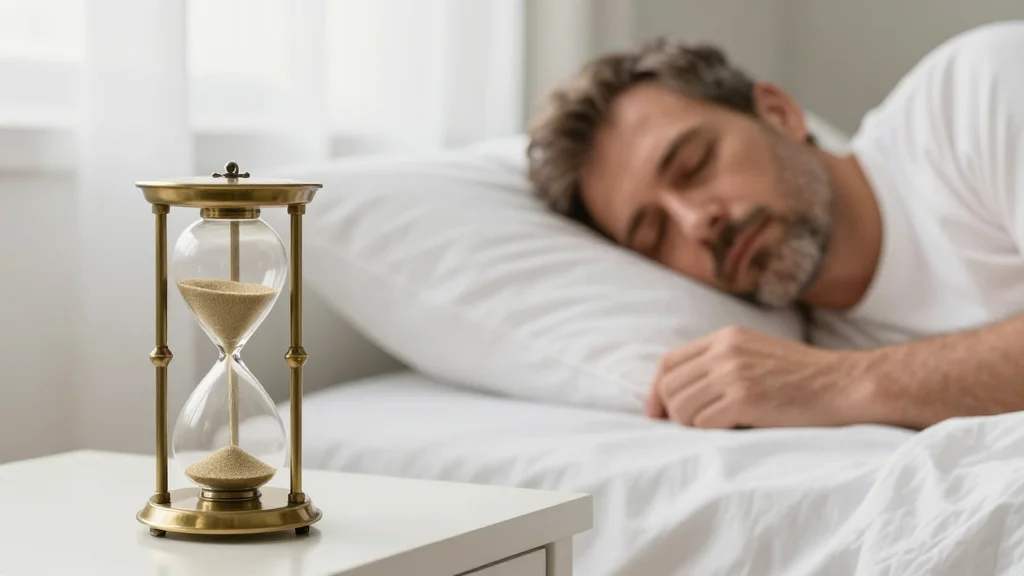
This Common Complaint May Be Quietly Wrecking Your Sleep
Why It Matters
The findings highlight sleep quality as a modifiable factor that can alter perceived aging, offering a new lever for wellness programs and preventive health strategies. For employers and insurers, targeting sleep regularity could reduce age‑related health costs and boost productivity.
Key Takeaways
- •Feeling older predicts higher insomnia severity across all ages
- •Sleep regularity strongly linked to lower subjective age discrepancy
- •Study controlled for depression, anxiety, and demographics
- •Poor sleep may reinforce perception of accelerated aging
- •Improving sleep habits can reduce felt age and health risks
Pulse Analysis
Subjective age—how old you feel versus your actual years—has long been linked to mortality and chronic disease, but its connection to sleep has been less clear. The new cross‑sectional analysis of over 3,000 participants bridges that gap, showing that a positive age‑discrepancy (feeling older) correlates with higher insomnia scores, fragmented sleep patterns, and greater daytime fatigue. By controlling for confounding variables such as depression, anxiety, gender and race, the researchers isolate the perception of aging as an independent driver of sleep disturbance, suggesting a psychophysiological feedback loop where mental age influences circadian regulation.
From a business perspective, the study offers actionable insight for the burgeoning sleep‑tech and corporate wellness markets. Devices that monitor sleep regularity, light exposure, and heart‑rate variability can now be positioned not only as performance enhancers but also as tools to combat age‑related self‑perception. Employers can integrate sleep‑education modules into health benefits, emphasizing consistent bedtime routines as a strategy to improve employee vitality and reduce age‑linked absenteeism. Health insurers may consider incentivizing sleep‑coaching programs, recognizing that better sleep could translate into lower claims for age‑associated conditions.
For consumers, the practical takeaway is straightforward: prioritize regular sleep timing over sheer duration. Simple habits—consistent wake‑up times, morning light exposure, regular exercise, and stress‑reduction techniques—can break the cycle that makes you feel older and sleep worse. As research evolves, integrating subjective‑age assessments into routine health screenings could help clinicians personalize interventions, turning the perception of aging from a fixed narrative into a modifiable health metric.
This Common Complaint May Be Quietly Wrecking Your Sleep
Comments
Want to join the conversation?
Loading comments...