This Common Home Office Mistake Is Causing Joint Pain, Experts Say
Companies Mentioned
Why It Matters
Ergonomic failures erode employee productivity and raise healthcare costs, making proper home‑office design a strategic priority for businesses embracing remote work.
Key Takeaways
- •Desk height misalignment strains shoulders, neck, and back
- •Wrist extension on keyboards increases carpal tunnel pressure
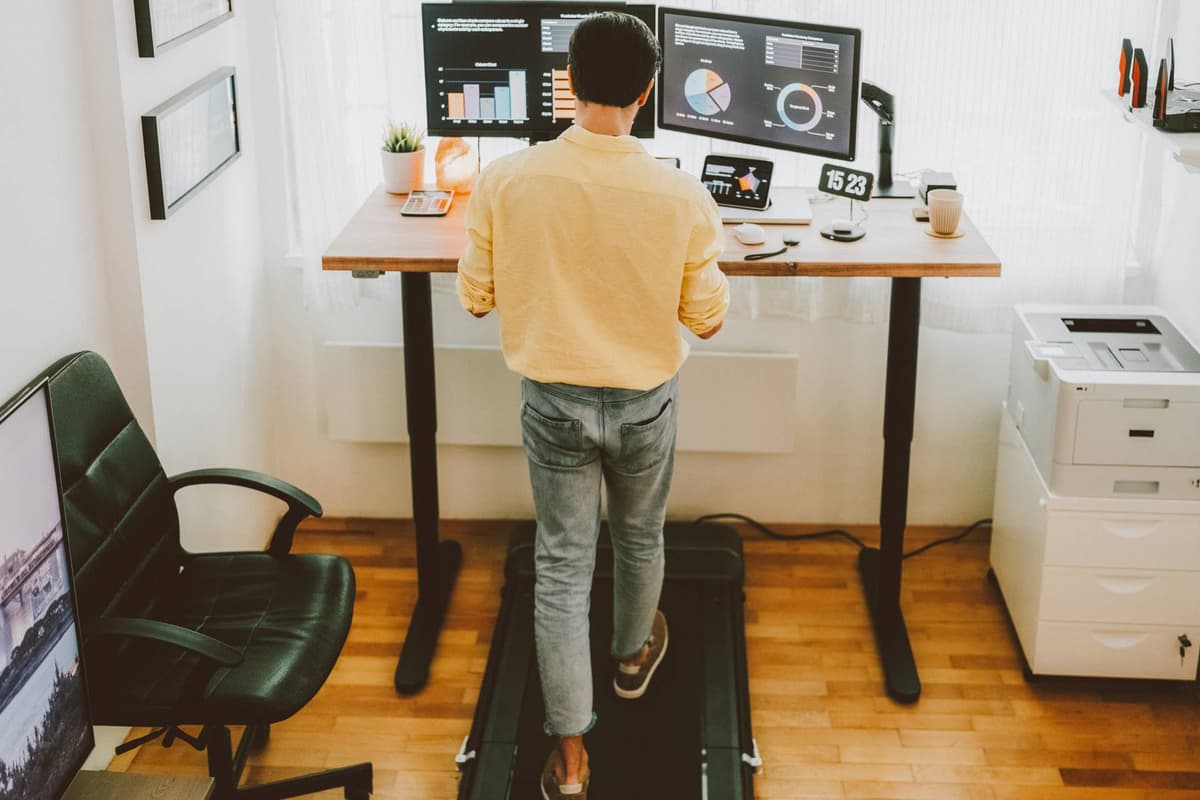
- •Walking desks need raised height and 1‑2 mph pace
- •20‑8‑2 rule breaks static posture, reducing joint stiffness
- •Dynamic chairs and adjustable monitors boost ergonomic support
Pulse Analysis
The shift to full‑time remote work has outpaced the evolution of home‑office furniture, leaving many professionals on makeshift desks and chairs. When a workstation forces the body into awkward angles, muscles stay engaged for hours, creating micro‑injuries that manifest as neck stiffness, wrist pain, and lower‑back fatigue. Beyond personal discomfort, these issues translate into lost focus, higher absenteeism, and escalating medical claims—concerns that ripple through any organization that relies on a distributed workforce.
Addressing the problem starts with fundamentals: desk height should allow elbows to rest at a 90‑degree angle, and monitors must sit at eye level to keep the cervical spine neutral. Keyboard trays or ergonomic keyboards can keep wrists flat, reducing carpal tunnel stress. Walking desks are gaining traction, but they require a six‑inch height adjustment and a walking speed of 1‑2 mph to avoid a stooped posture. Paulsen’s 20‑8‑2 rule—20 minutes seated, 8 standing, 2 walking—offers a practical cadence that breaks static loading and promotes circulation, dramatically lowering joint stiffness for most users.
The market is responding with a wave of adjustable standing desks, dynamic chairs, and under‑desk treadmills priced for home offices. Companies that subsidize ergonomic equipment see quicker adoption, higher employee satisfaction, and lower long‑term health expenses. For managers, establishing clear guidelines around workstation setup and encouraging regular movement breaks can turn ergonomics from a reactive fix into a proactive productivity lever.
This Common Home Office Mistake Is Causing Joint Pain, Experts Say
Comments
Want to join the conversation?
Loading comments...