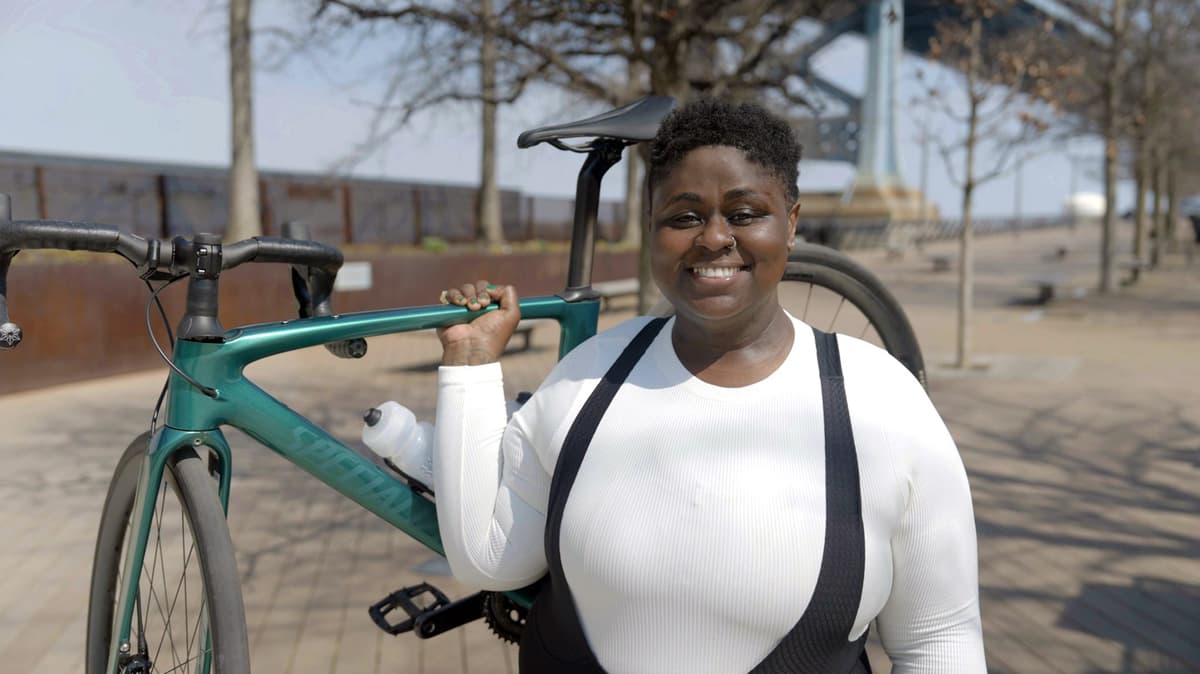
This Cyclist Rides to Empower Others—And for Her Own Self-Care
Why It Matters
Picot’s model shows that inclusive cycling programs can improve health outcomes while closing equity gaps, encouraging underrepresented groups to adopt active lifestyles.
Key Takeaways
- •Lost 130 lb in six years through regular cycling.
- •Founded Black Girl Joy Bike Ride, empowering Black women cyclists.
- •Provided bikes to 23 Black women via grants since June 2025.
- •Reversed type 2 diabetes, now diabetes‑free after cycling regimen.
- •Hosts bi‑weekly rides and workshops promoting bike equity.
Pulse Analysis
Cycling’s health benefits extend beyond calorie burn; they encompass metabolic improvements, mental well‑being, and community connection. Iresha Picot’s six‑year, three‑times‑a‑week riding regimen illustrates how consistent low‑impact exercise can shed 130 pounds and eliminate type‑2 diabetes, a transformation that resonates with a growing audience of plus‑size and health‑conscious adults seeking sustainable self‑care. Her story underscores the power of representation, showing that bodies of all shapes can thrive on two wheels.
Beyond personal health, Picot’s Black Girl Joy Bike Ride tackles systemic barriers in the cycling world. By hosting bi‑weekly rides, offering Fix‑a‑Flat workshops, and securing grants to purchase 23 bikes for Black women, the initiative addresses bike‑equity gaps that have long limited access for marginalized communities. The program’s grassroots model creates safe, culturally affirming spaces, fostering confidence and encouraging participants to pursue longer rides, races, and even advocacy for better infrastructure.
For the broader industry, Picot’s impact signals a market opportunity for brands and municipalities to invest in inclusive cycling infrastructure and programming. Companies that champion diversity in their marketing and product lines can tap into an expanding demographic eager for representation. Meanwhile, city planners can leverage such community‑driven successes to justify expanded bike lanes, subsidized bike‑share stations, and targeted grant programs, ultimately driving higher ridership, reduced traffic congestion, and healthier populations.
This Cyclist Rides to Empower Others—and for Her Own Self-Care
Comments
Want to join the conversation?
Loading comments...