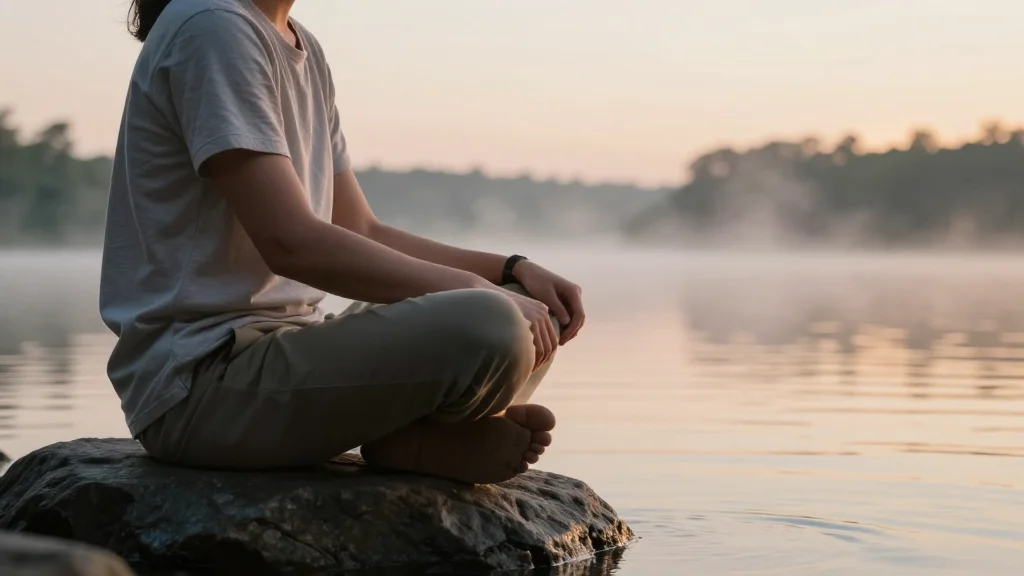
This Easy Outdoor Habit May Be The Secret To Feeling Less Lonely
Why It Matters
The findings suggest a low‑cost, scalable way to mitigate loneliness—a growing public‑health issue—by encouraging purposeful solo time outdoors. This insight is valuable for employers, urban planners, and mental‑health providers seeking non‑clinical interventions.
Key Takeaways
- •Solo lake walks reduce loneliness more than group outings
- •Feeling connected to nature predicts lower loneliness across activities
- •Sensory-focused solo time strengthens place attachment, boosting well‑being
- •Intentional solitude differs from isolation; it offers restorative benefits
Pulse Analysis
Loneliness has surged in the United States, with recent surveys linking it to higher mortality and reduced productivity. While digital connectivity offers constant contact, it often fails to replace the deep‑seated need for belonging. Researchers are therefore turning to nature‑based solutions, recognizing that outdoor environments can provide a unique form of social surrogate that does not rely on human interaction. The concept of intentional solitude—spending time alone by design—has emerged as a promising counterbalance to the hyper‑connected lifestyle that dominates modern workspaces.
The Norwegian study adds empirical weight to this theory. By surveying over 2,500 residents along a massive lake, the researchers isolated three variables: frequency of solo lake activities, perceived connectedness to nature, and attachment to the specific place. The data showed that participants who reported a strong kinship with the natural world and an emotional bond to the shoreline experienced markedly lower loneliness scores, even when they were alone. Notably, passive, sensory‑rich activities such as shore walks outperformed vigorous exercise, suggesting that the mental shift from internal chatter to external observation is the key mechanism. This aligns with broader psychological research that links mindfulness and place‑based identity to improved emotional regulation.
For businesses and city planners, the implications are actionable. Employers can incorporate “nature breaks” into wellness programs, encouraging employees to take short, solo walks in nearby green spaces without digital distractions. Urban designers might prioritize accessible waterfronts, park trails, and quiet zones that foster personal attachment. Mental‑health professionals can recommend intentional outdoor solitude as a complementary tool alongside therapy, especially for clients who feel overstimulated by constant social demands. By framing solo nature time as a purposeful practice rather than a symptom of isolation, organizations can tap into a cost‑effective strategy that enhances employee well‑being and community health.
This Easy Outdoor Habit May Be The Secret To Feeling Less Lonely
Comments
Want to join the conversation?
Loading comments...