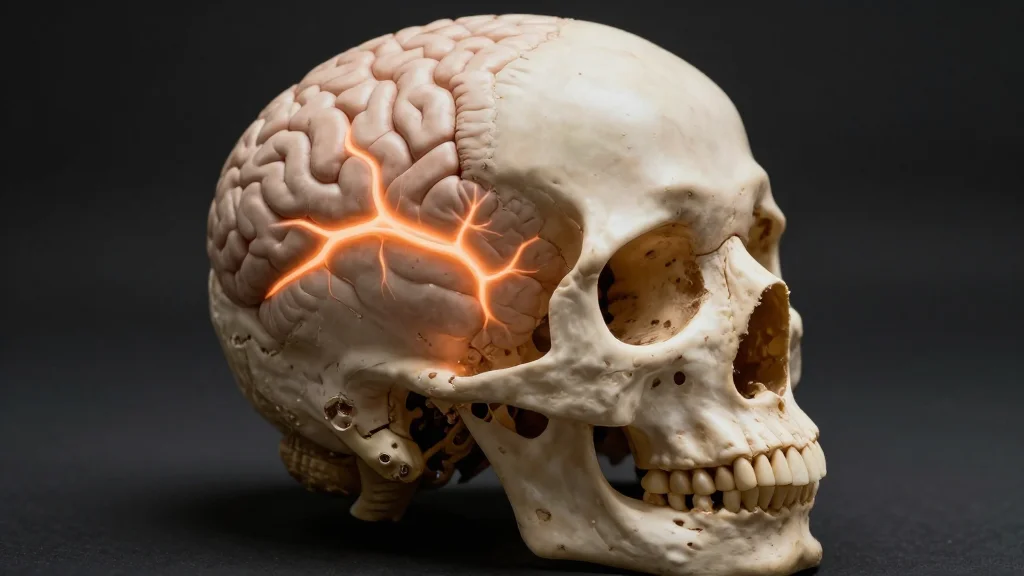
This Is IT: How Accelerated Intermittent Theta Burst Stimulation Relieves Depression Symptoms
Why It Matters
Circuit‑specific iTBS could transform depression care by delivering faster, non‑pharmacologic relief, reducing treatment resistance and healthcare costs. It signals a shift toward personalized brain‑stimulation therapies in psychiatry.
Key Takeaways
- •Accelerated iTBS induces plasticity in intratelencephalic neurons projecting to anterior insula
- •Studies link this circuit change to rapid antidepressant response
- •Findings enable development of circuit‑specific, non‑invasive brain stimulation therapies
- •Potential to shorten treatment courses compared with conventional rTMS
Pulse Analysis
Depression remains a leading cause of disability, and many patients either do not respond to antidepressants or endure weeks of trial‑and‑error before seeing benefit. Non‑invasive brain stimulation, particularly repetitive transcranial magnetic stimulation (rTMS), has emerged as an alternative, yet traditional protocols require daily sessions over several weeks. Accelerated intermittent theta burst stimulation (iTBS) compresses treatment into a handful of sessions, but its underlying mechanism was unclear—until the recent Cell publications illuminated a precise neural pathway.
Gongwer et al. and Johnson et al. converged on the intratelencephalic (IT) projections that terminate in the anterior insula, a region implicated in emotional regulation and interoceptive awareness. Using high‑resolution imaging and electrophysiology, the researchers showed that iTBS triggers long‑term potentiation‑like changes in these IT neurons, effectively rewiring the fronto‑insular circuit within days. This rapid synaptic remodeling correlates with marked reductions in depressive scores, suggesting that the therapeutic window is driven by circuit‑specific plasticity rather than global cortical excitation.
The clinical implications are profound. By demonstrating that targeted iTBS can remodel a defined neural circuit, the studies pave the way for personalized neuromodulation protocols that align stimulation parameters with individual connectivity profiles. Pharmaceutical companies and med‑tech firms may soon integrate functional MRI or EEG biomarkers to tailor treatment, potentially shortening therapy duration and expanding insurance coverage. Moreover, regulators are likely to view such mechanistic evidence favorably, accelerating approval pathways for next‑generation brain‑stimulation devices. As the field moves toward precision psychiatry, accelerated iTBS stands out as a scalable, evidence‑based tool that could reshape depression management worldwide.
This is IT: How accelerated intermittent theta burst stimulation relieves depression symptoms
Comments
Want to join the conversation?
Loading comments...