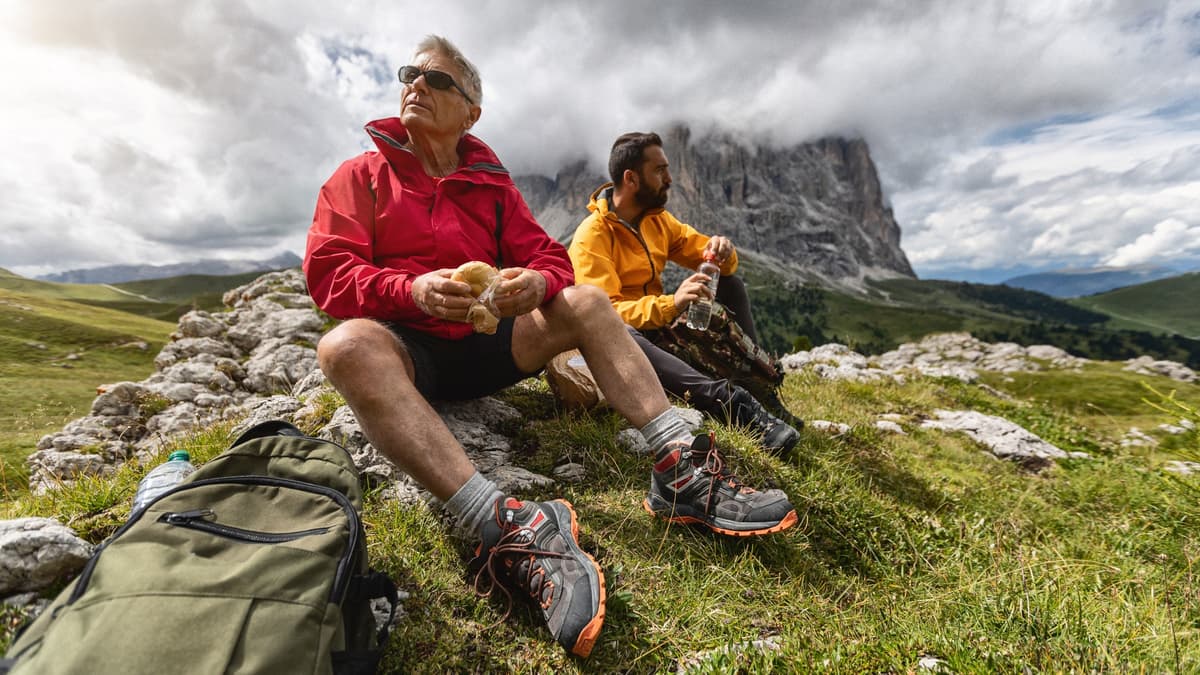
This Is What a Dietitian Wants Hikers Over 50 to Know About Nutrition
Why It Matters
Older hikers face accelerated muscle loss, blood‑sugar volatility, and digestive changes, so tailored nutrition directly impacts safety, endurance, and long‑term health on the trail.
Key Takeaways
- •Prioritize protein throughout the day, not just post‑hike dinner.
- •Pair carbs with protein/fat to stabilize blood sugar on the trail.
- •Eat smaller, earlier meals to prevent nighttime reflux while camping.
- •Adjust sodium intake based on blood pressure meds and sweat loss.
- •Choose heart‑healthy trail foods like nuts, seeds, tuna, and whole grains.
Pulse Analysis
Aging brings physiological shifts that reshape outdoor performance. Sarcopenia, the age‑related decline in muscle mass, reduces strength and balance—critical assets for steep ascents and heavy packs. Research shows older adults respond better to protein doses of 20‑30 grams spread across meals rather than a single large serving. Trail‑ready options such as nut‑enhanced oatmeal, jerky, roasted edamame, or fortified shakes deliver the needed amino acids without overloading the digestive system, helping maintain muscle repair and joint stability during multi‑day treks.
Blood‑sugar regulation becomes a priority as insulin sensitivity wanes. Hikers over 50 often experience energy crashes after sugary snacks or missed meals, which can jeopardize safety on remote sections. Combining complex carbohydrates with protein and healthy fats—think granola bars with almond butter, tuna‑filled crackers, or trail mix with dried fruit—creates a steadier glucose curve, sustaining mental focus and physical stamina. Additionally, timing meals earlier and opting for smaller portions can mitigate nighttime acid reflux, a common complaint when lying flat after a heavy, dehydrated dinner.
Hydration strategies also require nuance. While electrolytes remain essential, excessive sodium can exacerbate hypertension or strain kidneys, especially for those on diuretics. Consulting healthcare providers to calibrate salt intake based on sweat rates and medication profiles ensures optimal fluid balance. Meanwhile, a heart‑healthy pantry—olive‑oil‑based dressings, canned salmon, whole‑grain wraps, and legumes—lets seasoned hikers align trail nutrition with cardiovascular goals. As the senior outdoor market expands, manufacturers are responding with low‑sugar, high‑protein, and low‑sodium product lines, underscoring the commercial relevance of age‑specific nutrition guidance.
This is What a Dietitian Wants Hikers Over 50 to Know About Nutrition
Comments
Want to join the conversation?
Loading comments...