This Surprising Nutrient Could Supercharge Your Immune System
Why It Matters
The discovery links a common dietary pigment to immune‑mediated cancer control, hinting at low‑cost, nutrition‑based adjuncts to costly immunotherapies. If validated in humans, zeaxanthin could influence dietary guidelines and supplement markets targeting oncology patients.
Key Takeaways
- •Zeaxanthin improves T‑cell receptor signaling, enhancing tumor targeting.
- •Mouse studies showed slower tumor growth with zeaxanthin supplementation.
- •Combines with immunotherapy to boost anti‑cancer efficacy.
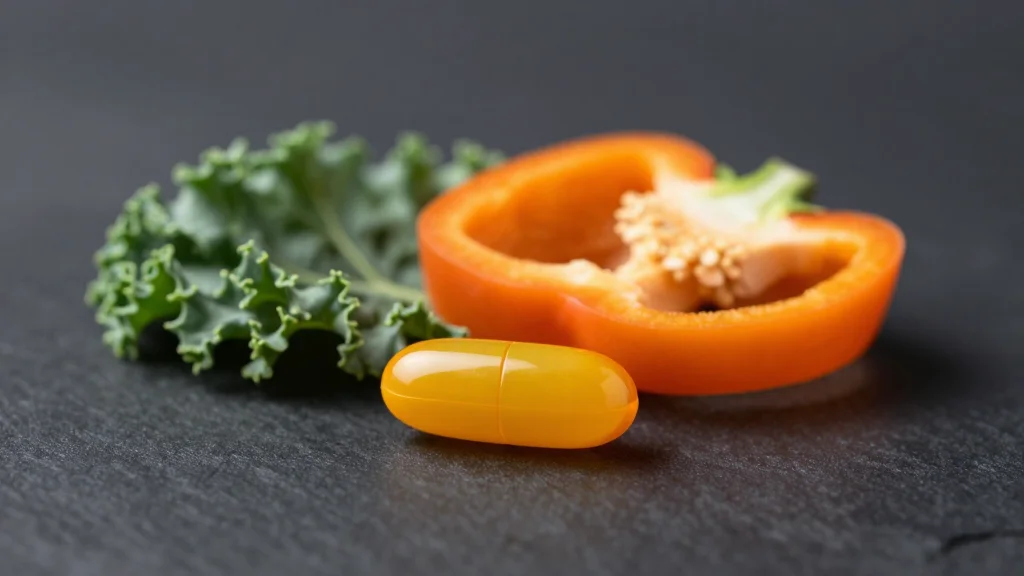
- •Found in carrots, kale, spinach, orange peppers, corn, egg yolks.
- •Dietary intake may become a complementary strategy for immune resilience.
Pulse Analysis
The intersection of nutrition and oncology is gaining scientific traction, and zeaxanthin is emerging as a compelling example. While traditionally celebrated for protecting retinal cells from oxidative stress, this carotenoid now appears to modulate the immune system at a cellular level. Researchers screened hundreds of dietary compounds and identified zeaxanthin as a potent enhancer of T‑cell receptor signaling, a pathway critical for identifying and eliminating malignant cells. This mechanistic insight expands the role of micronutrients beyond antioxidant activity, positioning them as active participants in immune surveillance.
In the study, zeaxanthin‑fed mice exhibited slower tumor progression and heightened T‑cell cytotoxicity against melanoma, multiple myeloma, and glioblastoma. Moreover, when paired with checkpoint inhibitors, the nutrient amplified therapeutic outcomes, suggesting a synergistic relationship with existing immunotherapies. The underlying biology involves fortifying the T‑cell receptor complex, which improves signal fidelity and accelerates the killing response. Translating these findings to clinical practice could reduce the dosage requirements of expensive biologics, lower adverse‑event rates, and broaden treatment accessibility for patients who cannot tolerate aggressive regimens.
For consumers, the practical takeaway is straightforward: incorporate zeaxanthin‑rich foods such as carrots, kale, spinach, orange bell peppers, corn, peas, and egg yolks into daily meals, or consider high‑quality supplements after consulting healthcare providers. While human data remain pending, the safety profile of zeaxanthin is well‑established, making it an attractive candidate for preventive nutrition strategies. Industry analysts are already monitoring potential market shifts, as supplement manufacturers may launch immune‑focused zeaxanthin products, and insurers could eventually recognize dietary interventions as adjunctive cancer care.
This Surprising Nutrient Could Supercharge Your Immune System
Comments
Want to join the conversation?
Loading comments...