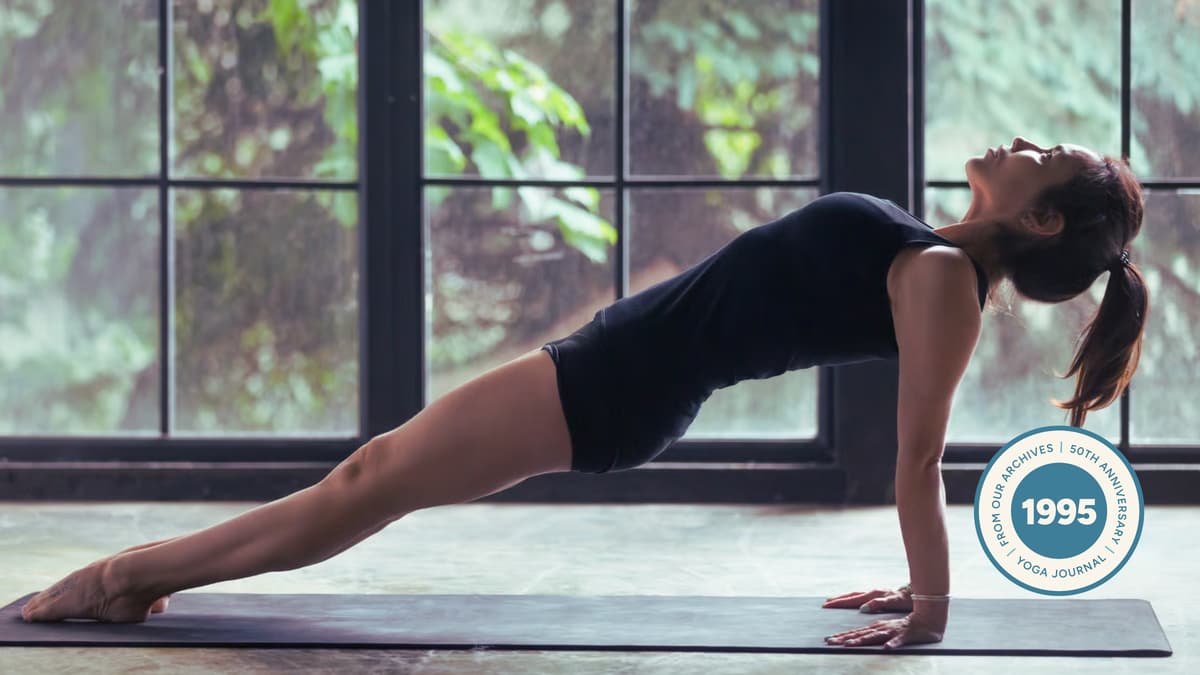
This Yoga Pose Challenges What You Think You Know About Your Strength
Companies Mentioned
Why It Matters
The method offers a low‑cost, accessible path to core and shoulder stability while embodying Patanjali’s “steady and comfortable” principle, expanding the pose’s reach beyond studios. It also shows how ancient yoga concepts can enrich contemporary wellness routines, boosting both performance and mental balance.
Key Takeaways
- •Reverse Plank builds posterior chain strength and scapular stability
- •Chair and block props allow gradual, low‑impact progression
- •Balancing right‑left sides reflects Patanjali’s ‘steady and comfortable’ asana goal
- •Integrating physical pose with mindfulness addresses body‑mind dualities
Pulse Analysis
The wellness market has seen a surge in demand for at‑home yoga content, prompting publishers to mine their archives for timeless practices. By resurfacing a 1995 Yoga Journal piece, the industry taps into proven, philosophy‑rich poses that resonate with today’s digitally‑savvy practitioners. This retro‑forward approach not only differentiates content providers but also satisfies users seeking depth beyond trendy flows, reinforcing brand authority in a crowded space.
From a biomechanical perspective, Reverse Plank targets the posterior chain, glutes, and shoulder girdle, while demanding coordinated activation of the front‑body muscles. Using a sturdy chair and a yoga block creates a scalable platform: beginners can maintain proper alignment without over‑stretching, and seasoned yogis can progress to full‑body lifts. The prop‑based progression reduces injury risk, a key selling point for corporate wellness programs that prioritize safe, inclusive exercise options for diverse employee populations.
Beyond the physical, the pose embodies Patanjali’s sutra of a “steady and comfortable” seat, inviting practitioners to explore the interplay of opposing body halves—right versus left, front versus back. This philosophical framing aligns with modern mindfulness trends that emphasize holistic integration rather than mere fitness outcomes. Companies that embed such mind‑body concepts into their health initiatives can foster deeper employee engagement, positioning wellness as a strategic lever for productivity and retention.
This Yoga Pose Challenges What You Think You Know About Your Strength
Comments
Want to join the conversation?
Loading comments...