UC San Diego Study Shows 55% Depression Remission Using AI‑Powered Lifestyle Coaching

Why It Matters
Depression remains a leading cause of disability in the United States, affecting more than 21% of adults. Traditional treatments—antidepressants and psychotherapy—often deliver modest remission rates and can be inaccessible due to cost, stigma, or provider shortages. An AI‑enabled, remotely delivered coaching model promises a scalable, personalized alternative that could expand access, reduce reliance on medication, and lower overall health‑care expenditures. By demonstrating that data‑driven lifestyle modifications can double remission rates, the study challenges the prevailing notion that behavioral advice must be generic, opening the door for a new class of digital therapeutics in the wellness ecosystem. Beyond individual outcomes, the trial highlights the growing convergence of wearable technology, machine learning, and mental‑health care. As wearables become ubiquitous, the volume of real‑time physiological and behavioral data will enable increasingly precise interventions. This could accelerate a shift toward preventive, continuous mental‑health monitoring, reshaping how insurers, employers, and providers design wellness programs.
Key Takeaways
- •UC San Diego researchers led by Dr. Jyoti Mishra reported a 55% depression remission rate in a six‑week trial.
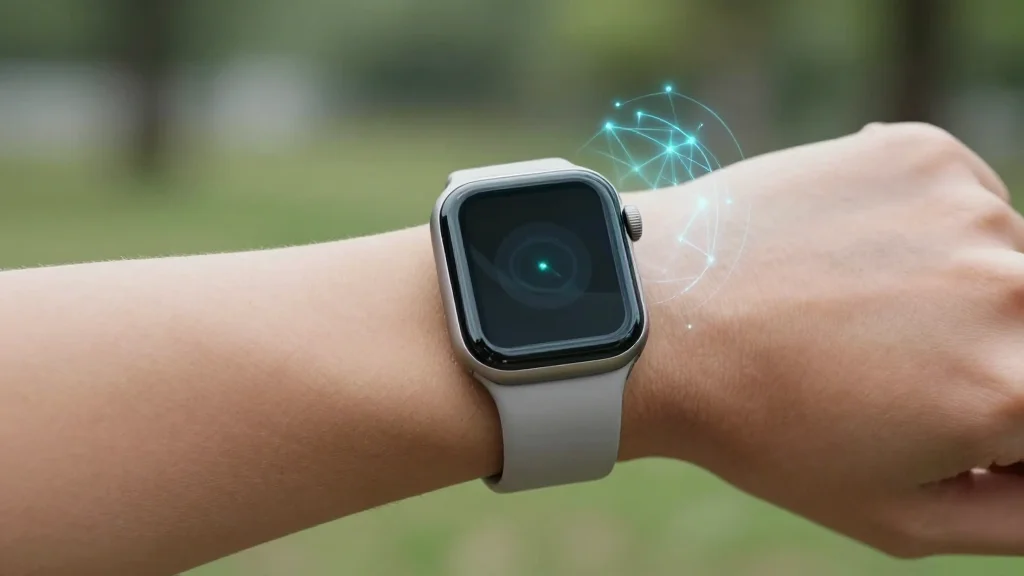
- •The program used smartwatches and mood logs to build individualized machine‑learning models for each participant.
- •Personalized coaching via video calls targeted the top lifestyle predictors of low mood for each individual.
- •Remission rates nearly doubled the typical 30% seen with standard interventions and persisted for three months.
- •A larger, multi‑site randomized trial is planned to validate efficacy and explore reimbursement pathways.
Pulse Analysis
The UC San Diego study arrives at a moment when the mental‑health industry is scrambling for scalable solutions that can complement or replace traditional care pathways. Historically, lifestyle interventions have suffered from low adherence and vague guidance, limiting their therapeutic impact. By anchoring recommendations in participant‑specific data, the iMAP model sidesteps the one‑size‑fits‑all criticism and leverages the motivational power of personalized feedback. This mirrors trends in chronic disease management, where data‑driven coaching has already proven its worth in diabetes and cardiovascular care.
From a market perspective, the trial’s results could catalyze investment in hybrid digital‑therapeutic platforms that blend AI analytics with human coaching. Companies that own wearable ecosystems—Apple, Fitbit, Garmin—may see an opportunity to bundle mental‑health modules, while pure‑play digital‑therapy firms could partner with academic labs to acquire validated algorithms. However, the path to widespread adoption is not without hurdles. Regulatory frameworks for software‑as‑a‑medical‑device (SaMD) are still evolving, and insurers remain cautious about reimbursing services that lack large‑scale efficacy data. The upcoming randomized trial will be pivotal in establishing the evidence base required for policy changes.
Looking ahead, the iMAP approach could evolve beyond depression to address anxiety, stress, and other mood disorders, especially if the underlying machine‑learning pipeline can be generalized across symptom clusters. Integration with electronic health records would allow clinicians to monitor patient progress in real time, creating a feedback loop that blends clinical oversight with autonomous, data‑driven care. If these developments materialize, the wellness sector may witness a paradigm shift where personalized, AI‑enhanced lifestyle coaching becomes a standard component of mental‑health treatment portfolios.
UC San Diego Study Shows 55% Depression Remission Using AI‑Powered Lifestyle Coaching
Comments
Want to join the conversation?
Loading comments...