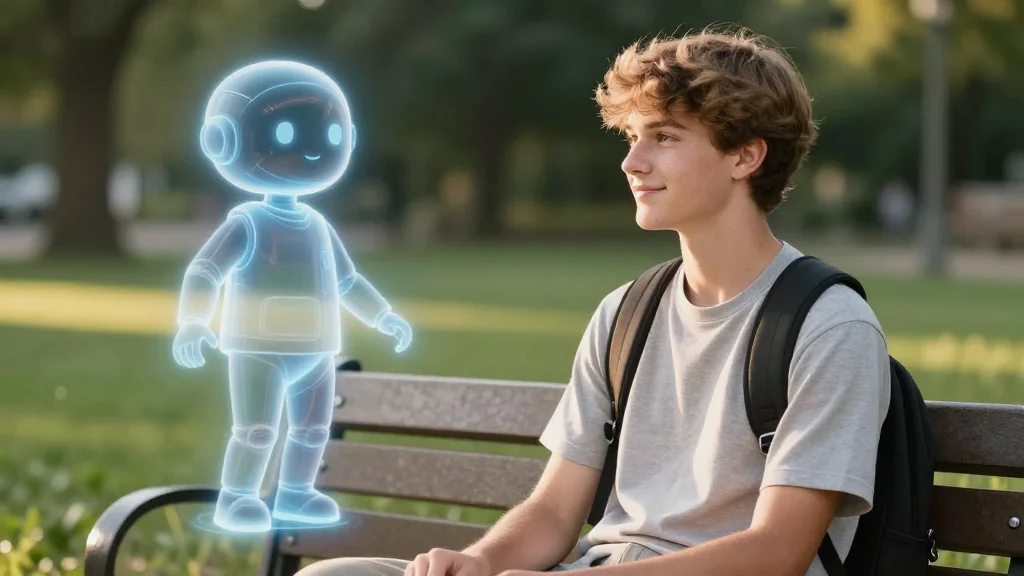
Why It Matters
By offering scalable, culturally attuned support, the companions fill a gap in university mental‑health services and could improve student retention and wellbeing. Their design demonstrates how AI can be responsibly integrated into higher‑education support ecosystems.
Key Takeaways
- •Tom and Mia converse in English and Mandarin for bilingual support
- •Companions co-designed with Chinese international students to ensure relevance
- •Screen-based delivery works on TVs and mobiles, beyond chatbots
- •AI offers gentle challenge, not just agreement, unlike many commercial bots
- •Project extends UNSW’s fEEL ARC dementia AI to student wellbeing
Pulse Analysis
Loneliness is emerging as a public‑health concern on campuses, especially for international students who grapple with language barriers and cultural adjustment. Traditional counseling services are often stretched thin, prompting universities to explore technology‑enabled interventions. UNSW’s AI companions arrive at this intersection, providing 24/7 conversational access that can mitigate feelings of isolation without waiting for an appointment. By targeting the emotional regulation gap, the project aligns with broader trends in digital mental‑health tools that prioritize accessibility and immediacy.
What sets Tom and Mia apart is the depth of user involvement in their creation. Chinese international students contributed directly to the characters’ dialogue style, tone, and cultural references, ensuring the AI feels authentic rather than generic. The bilingual interface allows seamless switching between English and Mandarin, a critical feature for students navigating dual academic and social identities. Moreover, the screen‑based delivery—compatible with classroom TVs, dormitory monitors, and smartphones—circumvents the stigma some associate with chatbots, offering a familiar visual medium that feels less clinical.
The initiative also signals a broader shift in how AI research translates across domains. The fEEL ARC Laureate Lab previously applied similar technology to dementia care, fostering companionship for older adults. Repurposing that framework for student wellbeing illustrates the versatility of AI companions and suggests a roadmap for other institutions. While the companions are not a substitute for professional therapy, their capacity to provide gentle challenge and empathetic listening could reduce crisis escalations and free clinicians to focus on higher‑need cases. As universities monitor outcomes, the UNSW model may become a template for scalable, culturally sensitive mental‑health support worldwide.
UNSW’s AI companions for student wellbeing
Comments
Want to join the conversation?
Loading comments...