U.S. Military Rolls Out Digital Brain‑Health Card for Service Members

Why It Matters
The launch of a QR‑enabled brain‑health card addresses a long‑standing gap in rapid concussion education for service members, a population at heightened risk due to combat and training exposures. By streamlining access to vetted resources, the tool can accelerate diagnosis, reduce the incidence of chronic traumatic encephalopathy, and preserve operational readiness. Moreover, the digital format aligns with the military’s broader digital‑health strategy, facilitating data collection that can inform policy and improve long‑term veteran care. For the wider wellness industry, the initiative showcases how government agencies can leverage low‑cost digital assets to drive health‑behavior change at scale. Private wellness firms may look to replicate the QR‑code model for employee‑wellness programs, while health insurers could adopt similar centralized portals to improve care coordination for concussion patients.
Key Takeaways
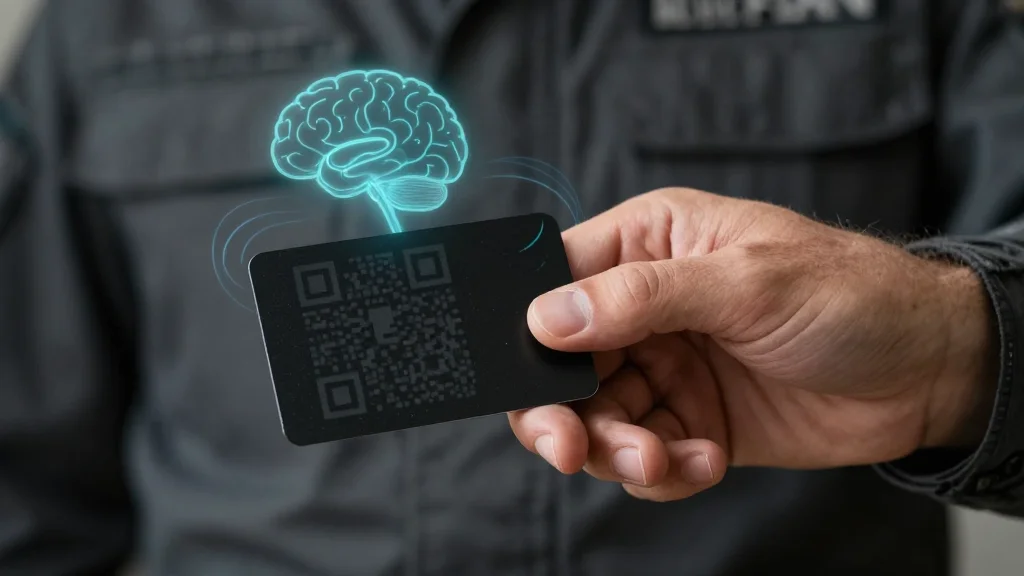
- •MHS launches a downloadable digital brain‑health card with a QR code linking to the Warfighter Brain Health Hub.
- •Keith Bass, Assistant Secretary of War for Health Affairs, highlighted the initiative as a commitment to force‑wide brain health.
- •Kathy Lee, Director of Warfighter Brain Health, stressed early recognition as critical for operational readiness.
- •The card is printable, shareable, and intended for integration into unit briefings, badge inserts, and training materials.
- •Pilot distribution begins in 2026 with plans for service‑wide rollout and ongoing usage analytics.
Pulse Analysis
The digital brain‑health card represents a pragmatic convergence of technology and preventive medicine within the military. Historically, concussion education relied on static pamphlets and periodic briefings, which often failed to reach troops in the moment of need. By embedding a QR code that instantly connects users to a dynamic, regularly updated hub, the MHS reduces friction in the care pathway and creates a feedback loop for continuous improvement. This approach mirrors successful consumer‑health apps that use push notifications and easy access points to drive engagement.
From a strategic perspective, the initiative also serves as a low‑cost testbed for broader digital‑wellness interventions. If adoption metrics show high engagement, the DoD could justify further investment in AI‑driven symptom triage tools, wearable concussion monitors, and integrated mental‑health platforms. Competitors in the civilian wellness market—particularly firms specializing in corporate health solutions—may view the military’s rollout as a validation of QR‑code‑centric health delivery, prompting them to accelerate similar offerings for large employers.
Looking ahead, the key challenge will be translating initial usage into measurable health outcomes. The MHS must ensure that the card’s convenience does not become a superficial veneer, but rather a catalyst for timely medical evaluation and sustained recovery programs. Success will likely hinge on robust data analytics, cross‑service coordination, and the ability to iterate content based on real‑world feedback. If these elements align, the digital brain‑health card could become a cornerstone of a next‑generation, data‑informed wellness ecosystem for both active‑duty personnel and veterans.
U.S. Military Rolls Out Digital Brain‑Health Card for Service Members
Comments
Want to join the conversation?
Loading comments...