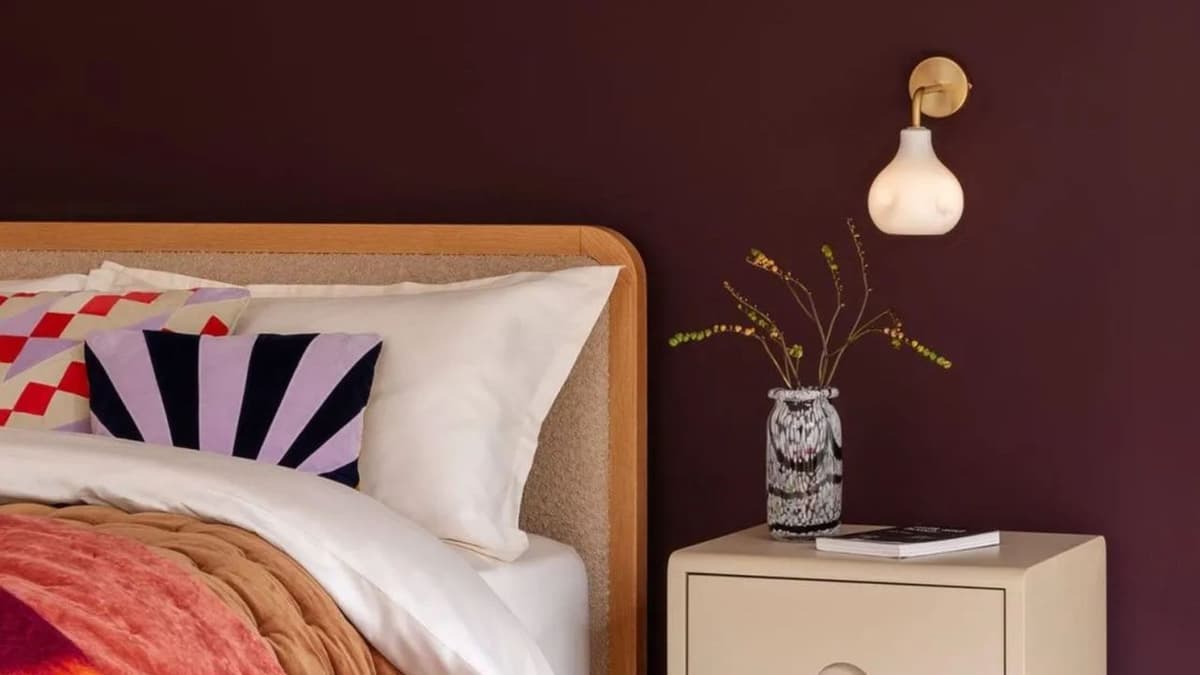
Wait, the Specific Angle and Height of Your Wall Light Makes a Massive Difference to the Mood of Your Bedroom? A Sleep Expert Explains Why
Companies Mentioned
Why It Matters
Proper bedside lighting aligns with circadian biology, helping users fall asleep faster and enhancing overall sleep health—a key differentiator for interior designers and lighting brands targeting wellness‑focused consumers.
Key Takeaways
- •Wall sconces at eye level reduce blue‑light stimulation
- •Horizontal light angle mimics sunset, boosting melatonin release
- •Warm amber glow improves sleep more than overhead LEDs
- •Adjustable height lets you read without glare and saves bedside space
- •Smart dimmable bulbs automate evening lighting transitions
Pulse Analysis
The science behind circadian rhythms shows that light entering the eye at a horizontal angle triggers fewer blue‑light photoreceptors than direct overhead illumination. By positioning wall sconces 20‑30 cm above the bedside table, the light reaches the retina more like the setting sun, signaling the brain that night is approaching. This subtle cue can accelerate melatonin production, shorten sleep latency, and improve overall sleep efficiency, making lighting a silent yet powerful sleep aid.
From a design perspective, wall sconces offer both function and form. Their lower profile frees up valuable bedside real estate, an advantage for small apartments and renters who cannot install permanent fixtures. Warm‑tone materials such as porcelain, marble, or amber glass not only create a cozy ambience but also reinforce the physiological benefits of reduced blue light. Brands that combine aesthetic appeal with adjustable mounting options can capture a growing market of consumers seeking wellness‑centric interior solutions.
Practically, integrating smart dimmable bulbs into sconces allows users to program gradual light reductions that align with their wind‑down routines. Voice‑controlled or motion‑activated systems eliminate the need for manual adjustments, reinforcing consistency—a critical factor for habit formation. As awareness of sleep hygiene spreads, lighting manufacturers that emphasize circadian‑friendly designs and seamless automation are poised to gain a competitive edge in the home‑tech and interior‑design sectors.
Wait, the Specific Angle and Height of Your Wall Light Makes a Massive Difference to the Mood of Your Bedroom? A Sleep Expert Explains Why
Comments
Want to join the conversation?
Loading comments...