Companies Mentioned
Why It Matters
The book spotlights how entrenched beauty norms drive consumer demand in the cosmetics market while fueling mental‑health concerns, prompting brands and policymakers to rethink inclusive messaging. It also signals a cultural shift toward more nuanced discussions of gender, sexuality, and body image in media and parenting circles.
Key Takeaways
- •Fairyington's memoir links beauty ideals to historic white slave trade
- •Body dysmorphia drives obsessive hygiene and impacts intimacy for many women
- •Parents grapple with protecting kids from beauty‑industrial complex pressures
- •Queer terminology influences perceived attractiveness and societal stigma
- •Shifts in media offer opportunities to challenge thin‑ideal norms
Pulse Analysis
The conversation around beauty standards has moved beyond runway aesthetics to a deep‑seated cultural narrative that traces back to the white slave trade, as Fairyington outlines. By connecting 19th‑century notions of the "Caucasian" ideal to today’s hyper‑thin, Eurocentric ideal, the book underscores how historical power structures still dictate consumer preferences in cosmetics, fashion, and wellness. This lineage explains why the beauty industry continues to invest billions in products promising conformity, while also creating a fertile ground for mental‑health interventions targeting body dysmorphia.
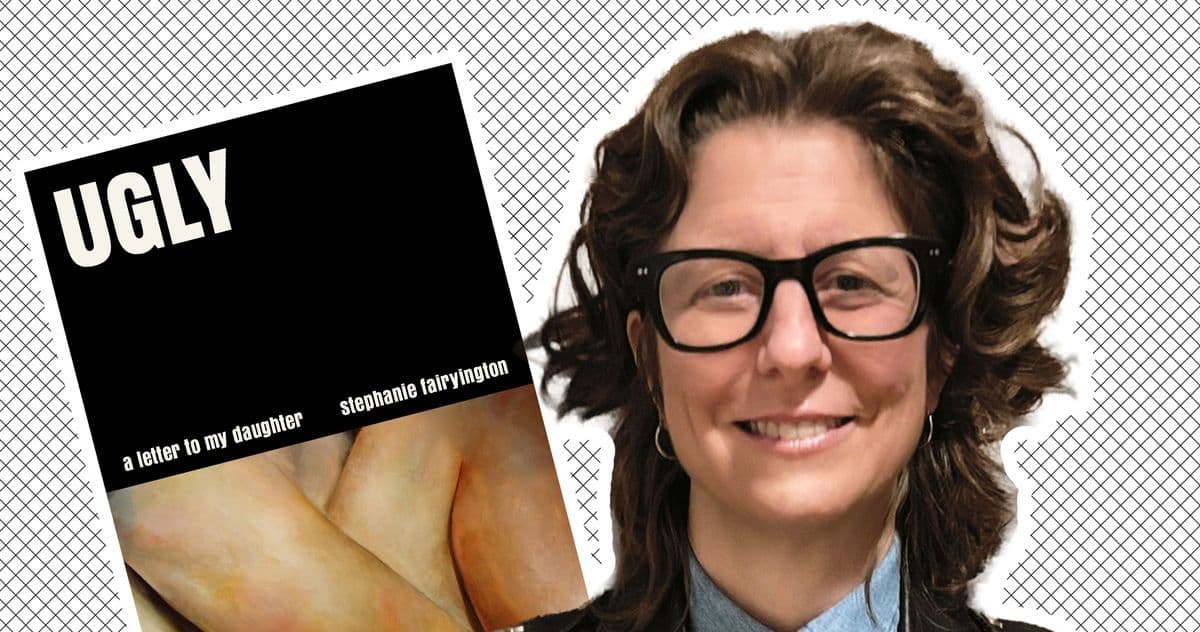
Fairyington’s personal account reveals the intimate toll of these standards: obsessive grooming, strained relationships, and parenting dilemmas. Her candid description of shielding her daughter from the "beauty‑industrial complex" resonates with a growing cohort of parents who demand transparent, inclusive marketing from brands. As millennials and Gen Z prioritize authenticity, companies that champion diverse representation—across race, size, and gender identity—gain competitive advantage, while those clinging to narrow ideals risk backlash and declining relevance.
The broader societal impact extends to language and identity. Fairyington notes the lingering stigma attached to the word "lesbian" versus the more neutral "queer," illustrating how terminology can reinforce or dismantle aesthetic hierarchies. Media portrayals, from streaming shows to social platforms, now have the power to either perpetuate thin‑ideal myths or showcase alternative beauty narratives. As cultural gatekeepers embrace this shift, advertisers, mental‑health professionals, and educators can collaborate to reshape the dialogue, fostering a market where beauty is defined by individuality rather than historical oppression.
What Does It Mean to Say You’re ‘Ugly’?
Comments
Want to join the conversation?
Loading comments...