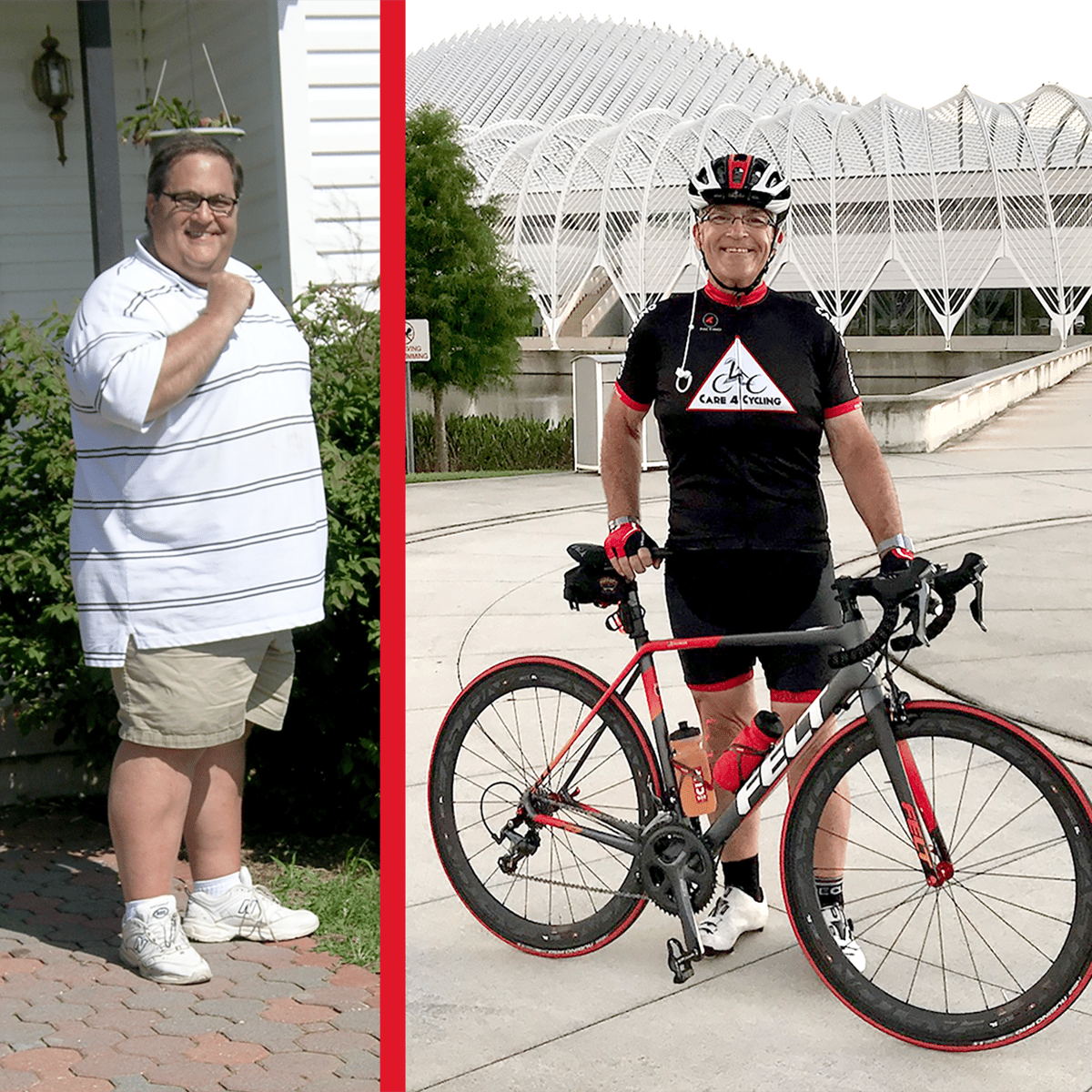
Why It Matters
The piece challenges entrenched weight‑centric guidelines, urging clinicians, insurers, and employers to prioritize fitness and metabolic health over BMI, which could reshape public‑health policies and corporate wellness programs.
Key Takeaways
- •BMI alone fails to predict individual health outcomes
- •Moderate fitness halves mortality risk for obese adults
- •Visceral fat, not total weight, drives disease risk
- •Genetics and environment shape weight beyond diet and exercise
- •Professional cyclists risk health issues from extreme leanness
Pulse Analysis
The traditional reliance on body‑mass‑index as a health yardstick is eroding as large‑scale studies reveal its blind spots. A 2016 UCLA analysis of 40,000 Americans found nearly half of overweight participants were metabolically healthy, while over 30 % of those with "normal" BMIs carried hidden risk factors. Parallel research from the European Heart Journal and a 2.9‑million‑person meta‑analysis confirm that mortality risk only climbs sharply beyond a BMI of 30, and even then, Grade 1 obesity shows no clear mortality penalty. These findings push the medical community toward more nuanced metrics—such as waist‑to‑hip ratio, visceral fat imaging, and blood‑marker panels—to assess true health status.
Fitness, not weight, emerges as the decisive factor in longevity. Steven Blair’s decades‑long cohort work demonstrated that obese individuals who maintain moderate cardiorespiratory fitness enjoy half the death rate of sedentary normal‑weight peers. The concept of metabolic equivalents (METs) quantifies this effect: reaching roughly 7.5 METs—equivalent to brisk cycling—neutralizes the cardiovascular penalty of a high BMI. Exercise physiologists now encourage patients to set peak‑MET goals rather than arbitrary scale numbers, a shift that aligns with insurance wellness incentives and corporate health initiatives seeking measurable outcomes.
Societal pressures add another layer of complexity, especially in sports where extreme leanness is prized. Professional cyclists, driven to sub‑6 % body fat, face heightened risks of osteoporosis, hormonal disruption, and eating disorders—a trend mirrored in emerging data on male athletes. For the broader public, the takeaway is clear: health is a mosaic of genetics, environment, body composition, and activity. Individuals should partner with clinicians to monitor metabolic health, adopt sustainable exercise routines, and reject one‑size‑fits‑all weight ideals. Policymakers and employers can reinforce this paradigm by supporting fitness‑focused programs and de‑emphasizing BMI in health assessments.
What Is an Ideal Weight for Health? It’s Complicated.
Comments
Want to join the conversation?
Loading comments...