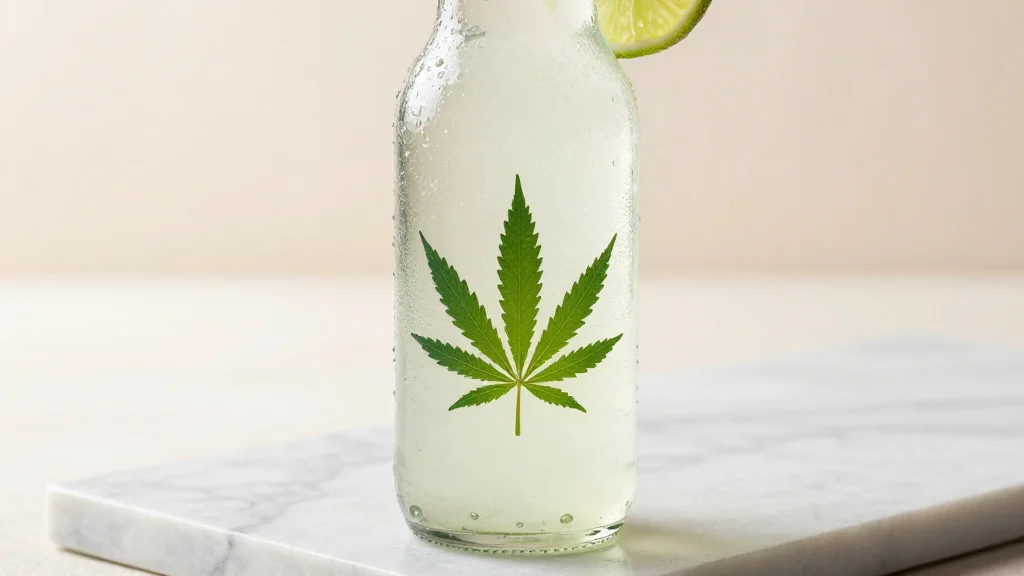
What THC Drinks Can — and Can’t — Do for Sleep, Stress, and Pain
Why It Matters
The rapid growth reshapes the beverage sector while raising safety, labeling and research challenges that affect investors, retailers and public health.
Key Takeaways
- •2024 THC beverage sales reached roughly $1.1 billion.
- •FDA warns companies for unverified health claims on THC drinks.
- •Retailers see THC drinks contributing ~15 % of total sales.
- •Scientific evidence supports sleep benefits, but dosage clarity lacking.
- •Pending federal bill could jeopardize $30 billion hemp industry.
Pulse Analysis
The THC‑infused beverage boom reflects a unique convergence of cannabis law and consumer wellness trends. By exploiting a loophole in the 2018 Farm Bill, hemp‑derived products sidestepped Schedule I restrictions, allowing nationwide distribution. Consumers—ranging from “soccer moms” to veterans—are drawn to promises of better sleep, reduced stress, and pain relief, driving sales to an estimated $1.1 billion last year. This surge has helped retailers offset softening alcohol demand, with some chains reporting THC drinks now represent about 15 % of their revenue.
Regulators, however, are catching up. The FDA has dispatched warning letters to companies that tout unproven health benefits, warning that such claims can constitute serious consumer risk. Scientific studies lend modest support to sleep‑related claims, especially for formulations containing THC or CBN, yet the industry suffers from opaque dosing and a lack of product‑specific clinical data. Nanoemulsion technologies accelerate onset, making dose‑response curves steeper and increasing the potential for adverse experiences when labeling is unclear. As a result, consumer protection groups and trade associations are urging a regulatory framework akin to the three‑tier alcohol system, emphasizing transparent labeling, age verification and standardized testing.
The future of THC beverages hinges on federal policy. A forthcoming bill could impose strict controls that mirror alcohol regulations, potentially stabilizing the market and fostering credible research. Conversely, more restrictive measures risk curtailing the $30 billion hemp sector, which includes not only drinks but a wide array of infused products. Stakeholders—from producers to investors—must monitor legislative developments closely, as the outcome will dictate whether the THC drink craze matures into a regulated, sustainable segment or faces a rapid contraction.
What THC Drinks Can — and Can’t — Do for Sleep, Stress, and Pain
Comments
Want to join the conversation?
Loading comments...