When Oil Refineries Burn, Here’s What Happens to Your Lungs and Heart
Companies Mentioned
Why It Matters
The incident underscores how sudden industrial fires can generate acute air‑quality crises, prompting immediate public‑health responses and highlighting the need for robust emergency‑exposure guidelines.
Key Takeaways
- •Refinery fire emitted PM2.5, PM10, SO2, NOx, CO, benzene.
- •Short‑term exposure causes eye irritation, cough, headaches, chest tightness.
- •Asthma, COPD, heart disease, elderly, and children face higher risk.
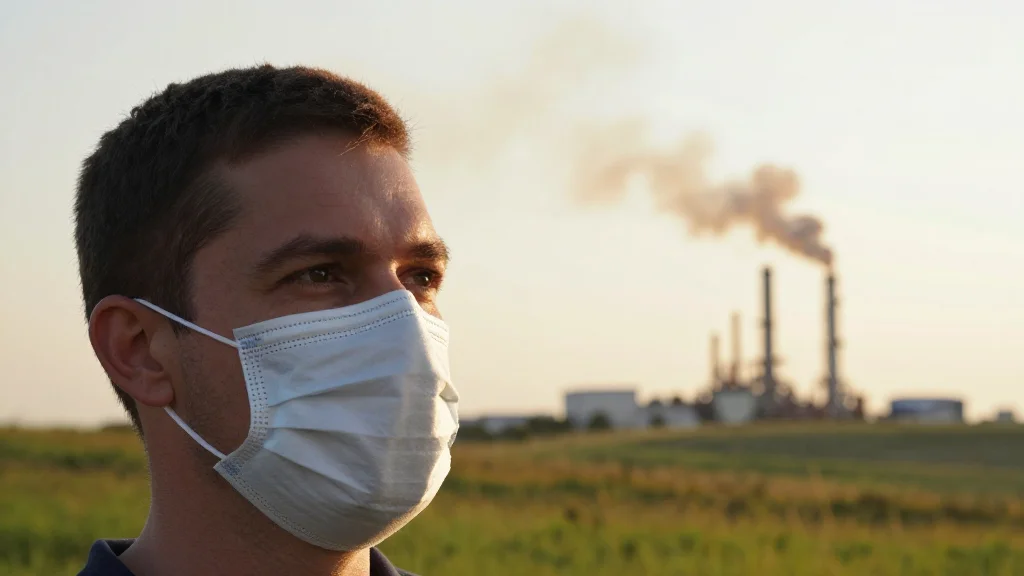
- •N95/P2 masks and staying indoors reduce inhalation of fine particles.
- •Ongoing monitoring and medical follow‑up essential for responders and residents.
Pulse Analysis
Industrial fires at oil refineries create a unique air‑quality emergency because the combustion of hydrocarbons releases both particulate matter and a suite of toxic gases. Unlike routine urban smog, the pollutant mix from a refinery blaze can include high concentrations of PM2.5 and PM10 that penetrate deep into the respiratory tract, alongside sulfur dioxide, nitrogen oxides and benzene, which exacerbate oxidative stress. These emissions can travel several kilometres, affecting not only the immediate vicinity but also downstream communities that rely on the same atmospheric currents.
Health impacts from such short‑duration exposure are generally acute rather than chronic. Most healthy adults experience transient symptoms—watery eyes, sore throat, coughing, or mild chest tightness—that subside as air quality improves. However, epidemiological studies consistently show that individuals with asthma, chronic obstructive pulmonary disease, or cardiovascular disease face amplified risks, including exacerbated respiratory attacks and heightened cardiac strain. Older adults and children are also more susceptible due to weaker physiological defenses and developing lungs, respectively. While a single event does not significantly raise long‑term cancer risk, repeated or prolonged exposure remains a concern for occupational groups and residents in heavily polluted corridors.
Mitigation strategies focus on reducing inhalation of fine particles and limiting exposure time. Staying indoors with windows closed, using air‑conditioning systems set to recirculate, and wearing properly fitted N95 or P2 respirators can cut particulate intake by up to 95 percent. Real‑time air‑quality monitoring platforms, such as those provided by the Victorian Environment Protection Authority, empower citizens to make informed decisions about outdoor activities. For policymakers, the Geelong incident highlights the importance of integrating rapid‑response air‑quality alerts, community education on protective equipment, and post‑event health surveillance into emergency‑management frameworks, ensuring both public safety and resilience against future industrial fires.
When oil refineries burn, here’s what happens to your lungs and heart
Comments
Want to join the conversation?
Loading comments...