Why It Matters
The dialogue signals rising consumer demand for outdoor‑centric lifestyles, influencing real‑estate markets, employer wellness programs, and telecom investments aimed at supporting remote, nature‑based workforces.
Key Takeaways
- •Outdoor work breaks boost employee morale instantly
- •Rural land prices rising as city dwellers seek escape
- •Connectivity (cell, Starlink) critical for remote rural living
- •Nature exposure linked to reduced stress and creativity
- •Community forums reveal grassroots demand for green spaces
Pulse Analysis
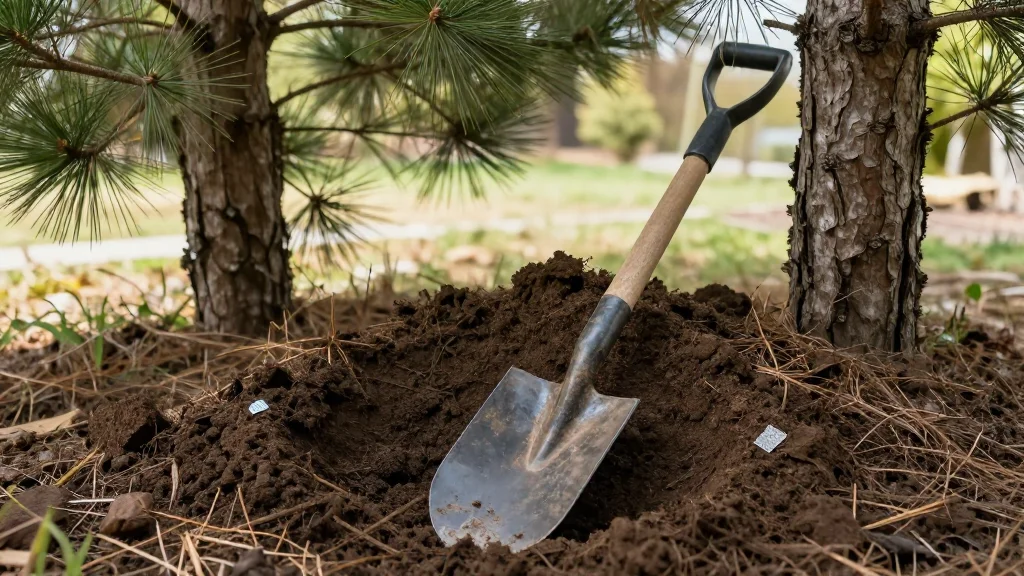
Mental‑health research increasingly validates what forum members describe: brief outdoor exposure can reset stress hormones, sharpen focus, and spark creativity. Professionals stuck in virtual meetings report that a 20‑minute walk or simple yard work—like digging a dirt pile—acts as a micro‑reset, boosting productivity when they return to the screen. This "nature‑based wellness" trend is prompting companies to integrate outdoor breaks into employee‑experience policies, positioning green spaces as a strategic asset rather than a perk.
Simultaneously, the real‑estate sector is witnessing a measurable shift toward rural acquisitions. A user’s purchase of 40 acres for about $45,000 reflects broader market data showing city‑dwelling millennials and Gen‑Z buyers paying premium for acreage that offers privacy, fresh air, and the promise of self‑sufficiency. Converting temperatures mentioned in the thread, -5 °C equals 23 °F, while a 40 °F chill translates to roughly 4 °C—illustrating the climate challenges new landowners must plan for. Developers and local governments are responding with zoning incentives and eco‑friendly infrastructure to capture this green‑space demand.
Connectivity remains the linchpin for sustainable remote living. Participants lament spotty cellular signals and eye Starlink as a solution to bridge the digital divide in isolated locales. Satellite broadband, combined with modest cell‑tower installations, can deliver reliable internet to properties like the 40‑acre parcel, enabling home‑based businesses, telehealth, and e‑learning. Telecom firms see a lucrative niche in provisioning resilient networks for off‑grid communities, while investors watch for emerging revenue streams tied to rural broadband expansion and the broader shift toward nature‑integrated work environments.
Who else has to touch grass to feel alive?
Comments
Want to join the conversation?
Loading comments...