WHO Europe Unveils Policy Brief Linking Arts to Climate‑Health Resilience

Why It Matters
The brief reframes wellness from a purely biomedical model to one that includes cultural and creative dimensions, acknowledging that mental health and community cohesion are essential buffers against climate‑induced stress. By positioning the arts as infrastructure, the policy could unlock new public‑private partnerships, diversify funding for wellness programs, and provide evidence‑based pathways to improve population health in a warming world. If adopted broadly, the approach could also influence global health guidelines, prompting the WHO to embed cultural metrics into its climate‑health monitoring frameworks. This would give policymakers concrete data on how artistic interventions affect anxiety, depression, and social resilience, thereby legitimizing arts funding as a preventive health measure.
Key Takeaways
- •WHO/Europe and Jameel Arts & Health Lab released a policy brief on April 29 linking arts to climate‑health resilience.
- •The brief recommends integrating cultural programs into national climate‑adaptation and health strategies.
- •Webinar featured climate scientists, health experts, and artists sharing evidence that creative practices improve mental health and community cohesion.
- •Authors argue that arts should be treated as essential infrastructure for a just, livable future.
- •Future WHO workshops will track implementation and publish impact metrics on mental‑health outcomes.
Pulse Analysis
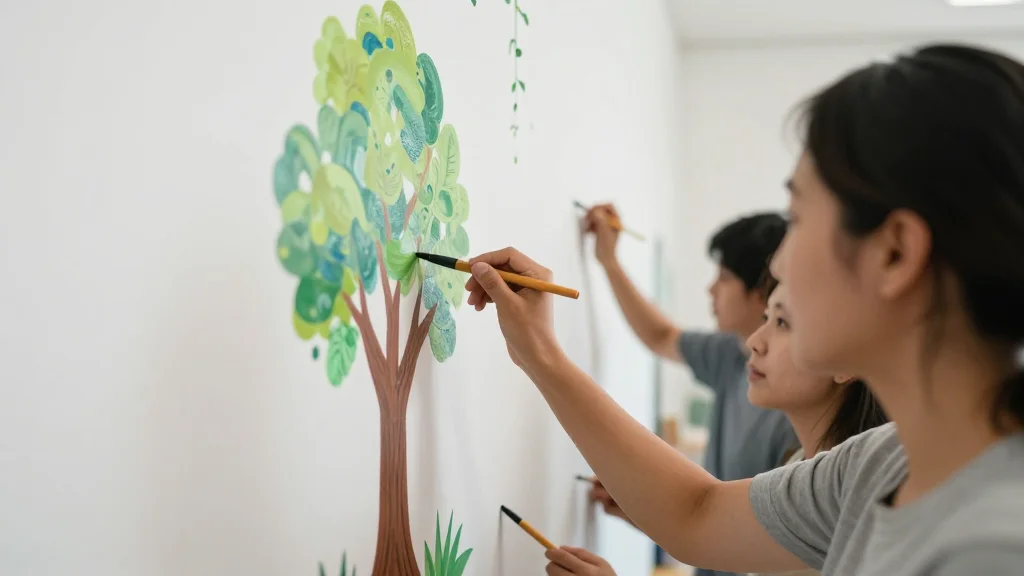
The WHO’s move to formalize the arts as a climate‑health tool reflects a broader shift in wellness thinking, where intangible assets like cultural identity and creative expression are recognized as health determinants. Historically, public‑health campaigns have leveraged media and education, but few have institutionalized the arts as a strategic pillar. This policy brief could catalyze a new market for wellness‑focused cultural programming, prompting NGOs, municipalities, and private sponsors to allocate budgets for community murals, theater, and music projects that double as climate‑risk communication.
From a competitive standpoint, the brief positions WHO/Europe as a pioneer, potentially prompting other regional health bodies to develop parallel frameworks. Companies in the wellness tech space may see opportunities to integrate artistic content into digital platforms—think immersive VR experiences that visualize sea‑level rise or AI‑curated playlists designed to reduce heat‑wave anxiety. However, the success of this initiative will depend on rigorous evaluation. Without clear metrics linking artistic interventions to health outcomes, funding bodies may remain skeptical. The upcoming workshops and impact studies promised by WHO will be critical in translating the brief’s aspirational language into actionable, evidence‑based programs.
Looking ahead, the integration of arts into climate‑health policy could reshape how wellness is measured at the national level. Traditional indicators—mortality rates, disease prevalence—might be supplemented with cultural resilience scores, tracking community participation in arts initiatives and their correlation with reduced stress markers. If these metrics prove robust, they could become part of the United Nations Sustainable Development Goals reporting, further embedding cultural health into global policy agendas.
WHO Europe Unveils Policy Brief Linking Arts to Climate‑Health Resilience
Comments
Want to join the conversation?
Loading comments...