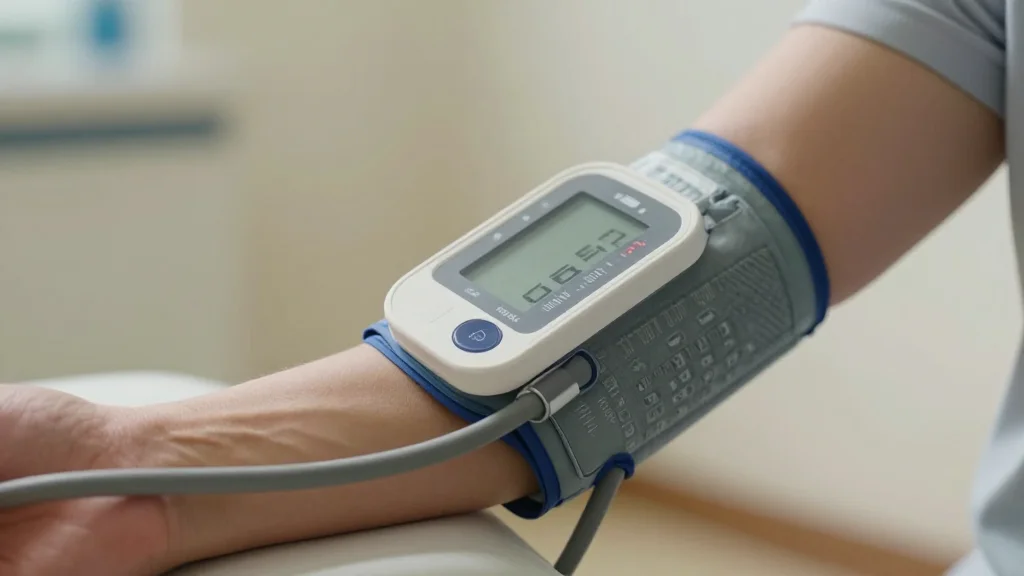
WHO Launches 2026 World Hypertension Day Campaign to Spur Regular Blood‑Pressure Checks

Why It Matters
Hypertension remains the leading preventable cause of premature death, accounting for a substantial share of global cardiovascular disease burden. By mobilizing a coordinated, multi‑sector response, the 2026 campaign seeks to close the awareness and treatment gaps that have persisted despite affordable therapies. Successful implementation could lower mortality, reduce health‑care costs, and serve as a template for tackling other silent, chronic conditions. Moreover, the emphasis on regular self‑monitoring aligns with broader digital‑health trends, encouraging the adoption of low‑cost devices and data‑driven care. If the campaign spurs widespread behavioral change, it could accelerate progress toward the United Nations’ health‑related Sustainable Development Goals.
Key Takeaways
- •World Hypertension Day observed on May 17, 2026, with a new theme urging regular BP checks
- •1.4 billion people globally live with hypertension; only ~25 % have it controlled
- •WHO calls for coordinated action from individuals, families, communities, health professionals, and systems
- •Campaign includes webinars, social‑media outreach, and partnerships with NGOs and tech firms
- •Mid‑year review planned to assess screening uptake and control rate improvements
Pulse Analysis
The WHO’s 2026 campaign marks a strategic pivot from awareness‑only messaging to an actionable, systems‑level push. Historically, hypertension initiatives have struggled to translate knowledge into sustained behavior change, especially in low‑resource settings where access to monitors and medication is uneven. By framing the issue as a collective responsibility and leveraging digital tools, the WHO is attempting to bridge that implementation gap.
If the campaign succeeds in normalizing home blood‑pressure monitoring, it could catalyze a market shift toward affordable, connected devices, prompting manufacturers to innovate on cost and usability. Health insurers may also see an opportunity to lower long‑term cardiovascular costs by covering monitors and tele‑health follow‑ups. However, the initiative’s impact will hinge on the ability of national health systems to integrate community screening into existing primary‑care workflows without overburdening staff.
Looking ahead, the 2026 effort could set a precedent for future disease‑specific days, encouraging a move from symbolic observances to measurable public‑health interventions. The upcoming mid‑year data release will be a litmus test: strong uptake could validate the WHO’s collaborative model, while modest results may signal the need for deeper investment in infrastructure and education.
WHO Launches 2026 World Hypertension Day Campaign to Spur Regular Blood‑Pressure Checks
Comments
Want to join the conversation?
Loading comments...