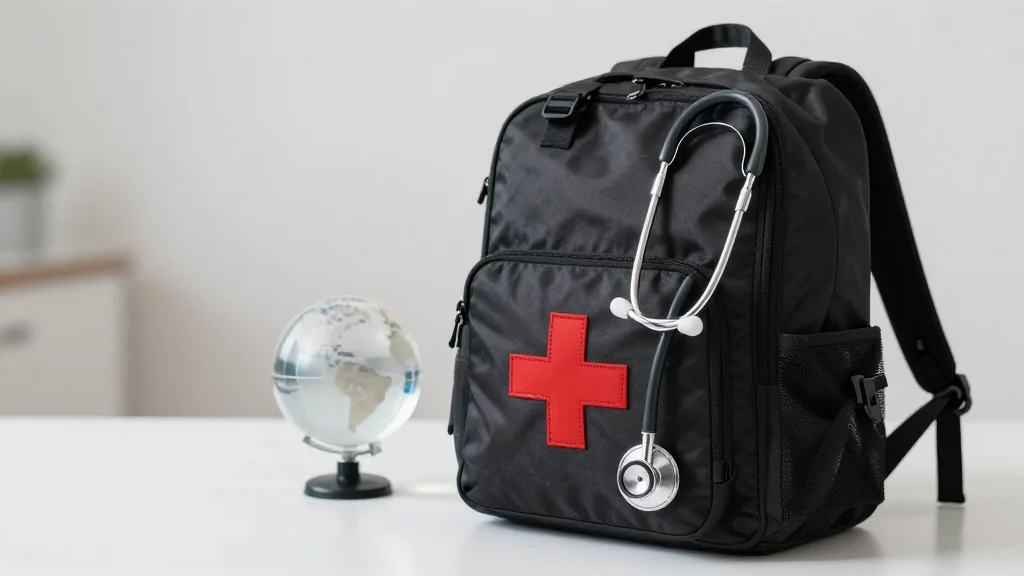
WHO Unveils Global Curriculum Guide for Community Health Workers

Why It Matters
Standardized training for community health workers can close critical gaps in preventive care, especially in underserved regions where formal health facilities are scarce. By equipping CHWs with consistent, competency‑based skills, the guide promises to improve disease detection, health education, and referral pathways, ultimately lowering morbidity and mortality rates. The initiative also signals a shift toward more integrated health system planning, where community‑level interventions are no longer peripheral but central to national health strategies. This alignment could attract new investments from global health donors and private partners seeking measurable outcomes.
Key Takeaways
- •WHO released a Global Curriculum Guide and integration manual for CHWs on 15 April 2026.
- •The curriculum provides competency‑based modules for disease prevention, health promotion, and basic clinical care.
- •The integration guide outlines priority actions for embedding CHW programmes into national health systems.
- •Regional workshops and a digital dashboard will support rollout and monitoring throughout 2026‑2027.
- •Standardized CHW training aims to accelerate progress toward universal health coverage and improve health outcomes in low‑resource settings.
Pulse Analysis
The WHO’s curriculum launch arrives at a moment when many countries are reevaluating primary health care models after pandemic‑induced strain. Historically, CHW programmes have been fragmented, with training quality varying widely between regions. By offering a globally vetted curriculum, WHO is attempting to create a common language for frontline health work, which could streamline cross‑border collaborations and make it easier for donors to compare program performance.
From a market perspective, the guide may catalyze a surge in demand for e‑learning platforms, simulation tools, and assessment services tailored to CHW training. Companies that can adapt the curriculum into modular, mobile‑first solutions stand to capture a growing niche. At the same time, NGOs and governments will need to allocate budget for trainer certification, monitoring systems, and translation services, potentially reshaping funding flows within the global health ecosystem.
Looking forward, the real test will be how quickly ministries can operationalize the guide amid competing health priorities and limited resources. If implementation proves effective, the model could be replicated for other community‑based cadres, such as nutrition assistants or mental‑health promoters, further embedding community health workers as a cornerstone of resilient health systems.
WHO Unveils Global Curriculum Guide for Community Health Workers
Comments
Want to join the conversation?
Loading comments...