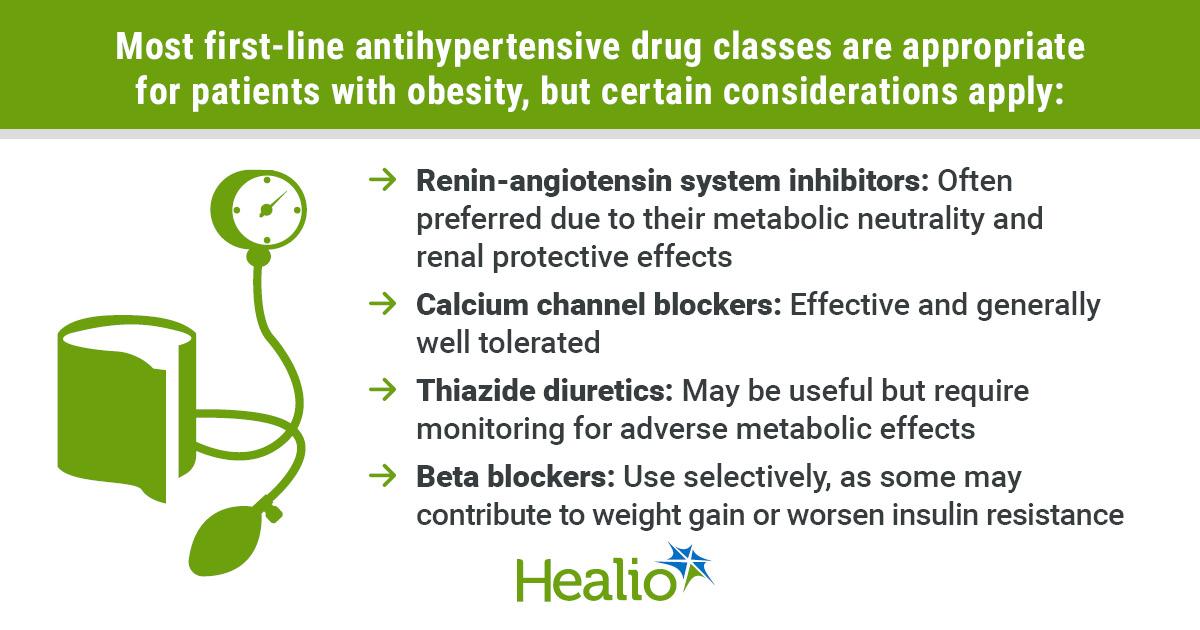
Why Blood Pressure Control Starts with Weight Management
Why It Matters
Addressing obesity directly tackles the root cause of most resistant hypertension, enabling clinicians to achieve better blood‑pressure control with fewer medications and lower cardiovascular risk.
Key Takeaways
- •5‑10% weight loss cuts systolic BP by ~5‑10 mm Hg.
- •50‑75% of obese adults have hypertension.
- •RAAS activation, SNS overactivity link obesity to high BP.
- •DASH diet and regular exercise are first‑line interventions.
- •Anti‑obesity meds or bariatric surgery can reduce medication burden.
Pulse Analysis
Obesity and hypertension are intertwined epidemics, with excess adipose tissue driving blood‑pressure elevation through multiple pathways. Visceral fat secretes angiotensinogen, amplifying the renin‑angiotensin‑aldosterone system, while sympathetic overactivity and insulin resistance further raise vascular resistance and sodium retention. Chronic inflammation and renal compression compound the problem, making obesity‑related hypertension especially stubborn. Recognizing these mechanisms helps clinicians move beyond treating blood pressure in isolation and consider weight as a therapeutic target.
Robust clinical evidence demonstrates that modest weight loss yields outsized blood‑pressure benefits. A 5‑10% reduction in body mass consistently produces a 5‑10 mm Hg drop in systolic pressure, often before patients reach their ultimate weight goal. Lifestyle interventions—DASH or Mediterranean eating patterns, calorie restriction, regular aerobic and resistance training, sleep optimization, and stress management—remain the cornerstone of therapy and are endorsed by major hypertension guidelines. Early, individualized counseling can trigger rapid hemodynamic improvements and may allow de‑escalation of antihypertensive drugs.
When lifestyle alone falls short, anti‑obesity pharmacotherapy and metabolic‑bariatric surgery become valuable adjuncts. GLP‑1 receptor agonists and other agents facilitate sustained weight loss, translating into further blood‑pressure reductions and improved insulin sensitivity. For patients with severe obesity or resistant hypertension, bariatric procedures can achieve dramatic weight loss and, in many cases, remission of hypertension. Clinicians should monitor blood‑pressure trends closely during these interventions, adjusting antihypertensive regimens as needed. Emphasizing weight management as a core component of hypertension care promises better outcomes and lower long‑term cardiovascular costs.
Why blood pressure control starts with weight management
Comments
Want to join the conversation?
Loading comments...