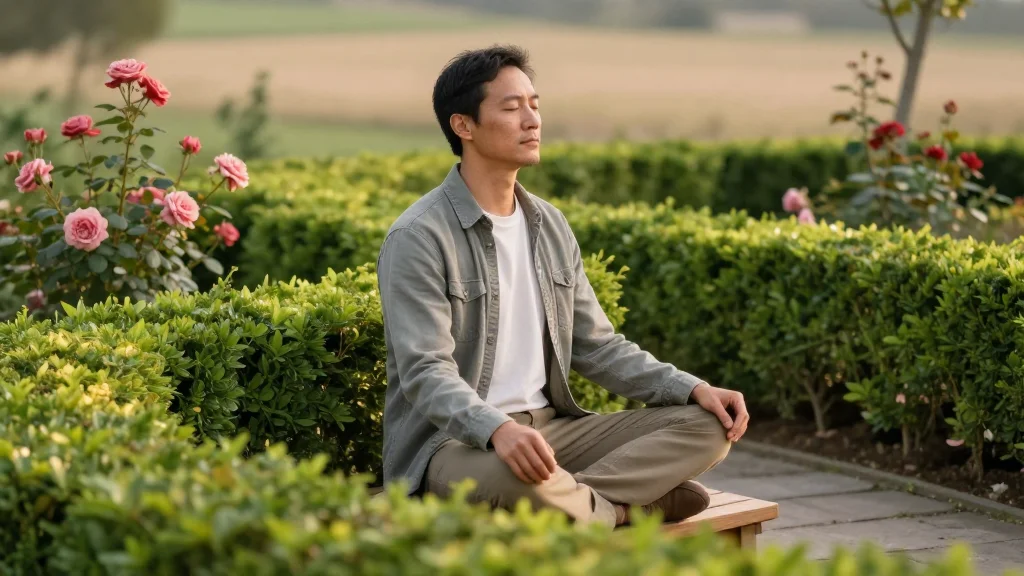
Why Private Gardens Mattered so Much During the First COVID-19 Lockdown
Companies Mentioned
Why It Matters
Private gardens proved a low‑cost, scalable buffer for mental health during the pandemic, urging policymakers to embed green‑space access in resilience strategies.
Key Takeaways
- •Garden mentions on Twitter increased >5× during first lockdown.
- •Mental‑well‑being references rose from 4% to ~20% of posts.
- •82% of UK residents with gardens used them at least weekly.
- •Study links garden access to reduced pandemic‑related stress.
- •Unequal garden availability may have widened mental‑health disparities.
Pulse Analysis
During the spring of 2020, the United Kingdom imposed strict stay‑at‑home orders that shuttered parks, playgrounds, and other public green spaces. Researchers from the University of Aberdeen turned to social media, mining thousands of Twitter posts to capture how citizens repurposed their private gardens. The analysis revealed a more than fivefold spike in garden‑related chatter, indicating that people were not only stepping outside but also actively sharing those moments online. This digital footprint offers a real‑time barometer of how everyday environments became critical coping mechanisms when traditional outlets were unavailable.
The mental‑health signal was equally striking. Posts mentioning well‑being rose from about 4% before lockdown to roughly 20% during the restrictions, echoing national surveys that documented a sharp decline in overall psychological health. Gardening, bird‑watching, and simply sitting outdoors emerged as informal therapeutic practices, complementing formal interventions such as tele‑counseling. The Royal Horticultural Society’s 2025 State of Gardening Report, which found 77% of gardeners credit gardening with boosting mental health, aligns with these findings, reinforcing the notion that even modest green exposure can deliver measurable resilience benefits.
Beyond the immediate health impact, the study raises strategic questions for city planners and housing developers. With 82% of garden owners reporting weekly use, private outdoor space proves a high‑impact amenity that can mitigate future crises. However, the research also highlights inequities—those without gardens faced amplified stress, suggesting that equitable access to green space should be a core criterion in urban policy. Integrating communal gardens, pocket parks, and green roofs into new developments could democratize the mental‑health advantages observed, positioning nature as a cornerstone of public‑health infrastructure for the post‑pandemic era.
Why private gardens mattered so much during the first COVID-19 lockdown
Comments
Want to join the conversation?
Loading comments...