Why Sleep Apps Are Failing Those Who Need Them Most (M)
Why It Matters
The $1.5 billion sleep‑app market risks losing consumer trust and attracting regulatory scrutiny if efficacy remains unproven, threatening growth for developers and investors alike.
Key Takeaways
- •Screen light from phones disrupts melatonin, worsening sleep quality
- •Inaccurate sleep stage data creates false confidence, leading to anxiety
- •Lack of clinical oversight means apps ignore individual insomnia triggers
- •Data privacy concerns deter users from consistent app usage
- •Market growth outpaces scientific validation, risking consumer trust
Pulse Analysis
The consumer‑focused sleep‑app sector has surged, with estimates placing global revenue above $1.5 billion. Users are drawn to features such as bedtime reminders, ambient soundscapes, and detailed sleep‑stage graphs, believing that quantifying rest will unlock better health outcomes. This enthusiasm mirrors broader trends in digital health, where data accessibility and self‑monitoring are marketed as empowerment tools for the average consumer.
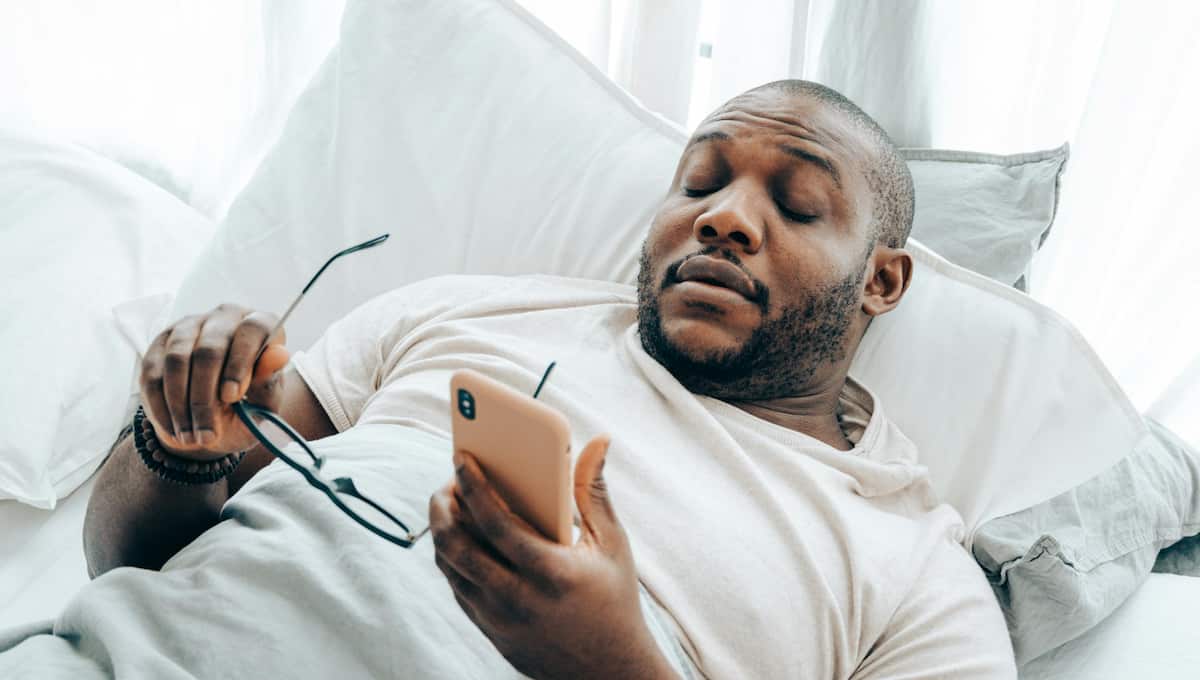
Yet the science behind many of these applications remains thin. Studies reveal that the blue light emitted by smartphones suppresses melatonin production, directly impairing the ability to fall asleep. Moreover, most apps rely on accelerometer data to infer sleep stages, a method that lacks the precision of polysomnography and can generate misleading feedback. When users receive contradictory or overly optimistic reports, anxiety can rise, creating a feedback loop that further degrades sleep quality. Privacy concerns also loom large, as sensitive biometric data are often stored on third‑party servers without robust safeguards.
For developers and investors, the takeaway is clear: credibility will become a competitive moat. Incorporating evidence‑based algorithms, offering optional integration with clinically validated wearables, and being transparent about data handling can differentiate products in a crowded marketplace. Regulators are beginning to scrutinize health‑related apps, and early compliance with emerging standards may avert costly redesigns. Ultimately, sleep‑tech that respects circadian biology and prioritizes user well‑being stands to capture both market share and long‑term trust.
Why Sleep Apps Are Failing Those Who Need Them Most (M)
Comments
Want to join the conversation?
Loading comments...