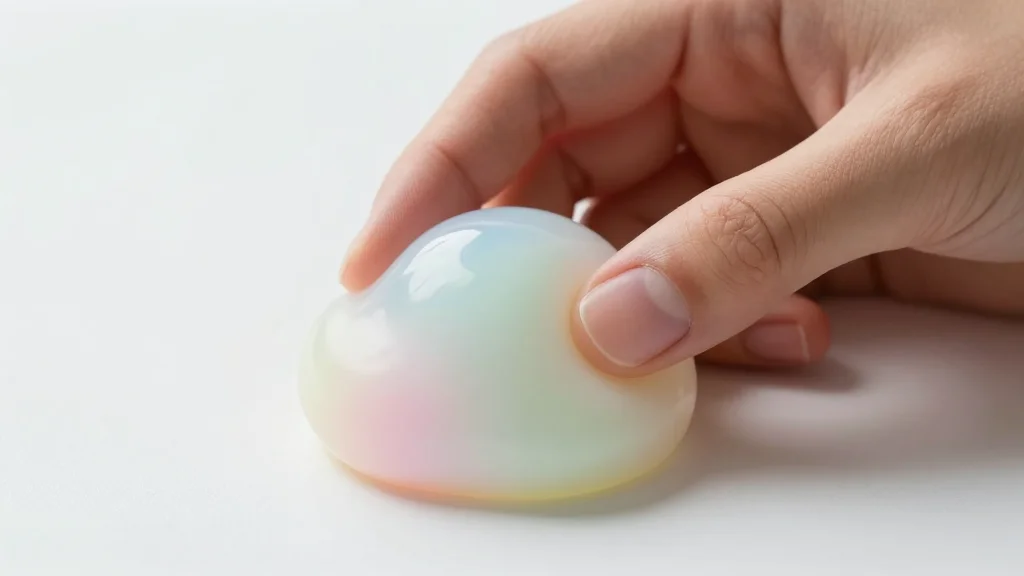
Why Squishy Toys Feel so Good: What the NeeDoh Craze Reveals About Brain and Sensory Needs
Why It Matters
The surge underscores growing consumer demand for sensory products that aid focus and emotional balance, while highlighting their emerging role in inclusive education and workplace wellbeing.
Key Takeaways
- •NeeDoh sales surge, shelves reported out of stock
- •Squeezing activates brain regions for emotional regulation and focus
- •Schools use fidget tools, mixed evidence on academic performance
- •Sensory toys promote acceptance of neurodivergence in classrooms
- •Experts advise professional guidance before therapeutic use
Pulse Analysis
The rapid rise of NeeDoh illustrates how a simple tactile gadget can capture public imagination in the age of short‑form video. Social platforms amplify user‑generated reviews, turning niche stress‑balls into must‑have items that disappear from retailers within days. This pattern mirrors earlier slime and fidget‑spinner booms, but the current wave is distinguished by a clearer link to sensory‑processing needs, positioning the product at the intersection of entertainment and functional aid.
Neuroscience offers a plausible explanation for the appeal. When a hand squeezes a pliable object, the somatosensory cortex and prefrontal areas light up, dampening the brain’s stress response and sharpening attention. For neurodivergent individuals—particularly those with ADHD or autism—such proprioceptive input can replace less desirable habits like nail‑biting or skin picking. Early studies on comparable fidget tools suggest modest gains in on‑task behavior, though gains in actual academic performance remain inconclusive. The key takeaway is that tactile stimulation can serve as a low‑cost, non‑pharmacological strategy to improve focus and emotional regulation.
Educators are now testing sensory toolkits that include NeeDoh cubes, smooth stretchables, and silent fidget devices. In primary schools, the tools have been linked to reduced hyperactivity, while university pilot programs report higher comfort levels among neurodivergent students. However, policymakers and administrators must balance novelty with evidence, ensuring that purchases are guided by occupational‑therapy assessments rather than trend‑driven hype. As the market expands, manufacturers should prioritize non‑toxic materials and clear usage guidelines, while clinicians continue to advise personalized selections to maximize therapeutic benefit.
Why squishy toys feel so good: What the NeeDoh craze reveals about brain and sensory needs
Comments
Want to join the conversation?
Loading comments...