Why Thinking About The Past Makes Us More Grateful (M)
Why It Matters
Understanding how nostalgia fuels gratitude offers a low‑cost tool for boosting mental health and enhancing customer engagement, making it valuable for both individuals and businesses.
Key Takeaways
- •Nostalgia triggers brain regions linked to reward and social bonding
- •Grateful individuals report higher life satisfaction and lower stress
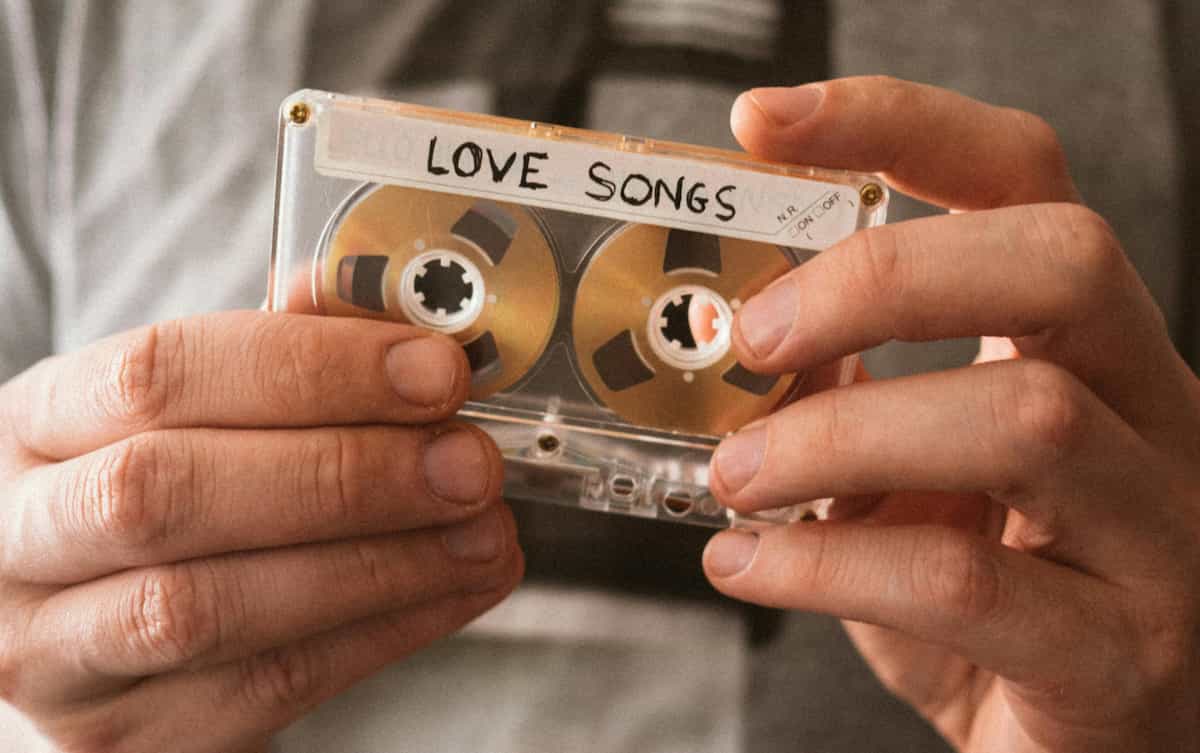
- •Simple nostalgic cues, like music, boost daily gratitude levels
- •Companies use nostalgia marketing to deepen customer loyalty
Pulse Analysis
Nostalgia, often dismissed as mere sentiment, is emerging as a powerful psychological lever. Recent experiments demonstrate that recalling personal past events activates the brain's ventral striatum and medial prefrontal cortex—areas associated with reward and social connection. This neural response translates into a measurable rise in gratitude, a trait linked to improved sleep, stronger relationships, and reduced depressive symptoms. By framing the past as a source of positive emotion rather than loss, researchers reveal a straightforward pathway to elevate everyday well‑being.
For organizations, the gratitude boost has tangible implications. Employees who feel more appreciative tend to exhibit higher engagement, lower turnover, and greater collaboration. Marketers, too, can harness nostalgic cues—classic jingles, retro packaging, or vintage imagery—to forge deeper emotional bonds with consumers, driving loyalty and repeat purchases. The study’s cross‑generational findings suggest that nostalgia can be tailored to diverse demographics, making it a versatile component of corporate culture and brand strategy.
Practically, individuals can integrate brief nostalgia rituals into daily routines: listening to a favorite song from their teenage years, scrolling through old photo albums, or revisiting a cherished childhood hobby. Such micro‑practices require minimal time yet deliver lasting gratitude benefits. Future research aims to quantify optimal exposure lengths and explore digital platforms that personalize nostalgic content. As the evidence base grows, nostalgia may become a cornerstone of mental‑health interventions and customer‑experience design alike.
Why Thinking About The Past Makes Us More Grateful (M)
Comments
Want to join the conversation?
Loading comments...