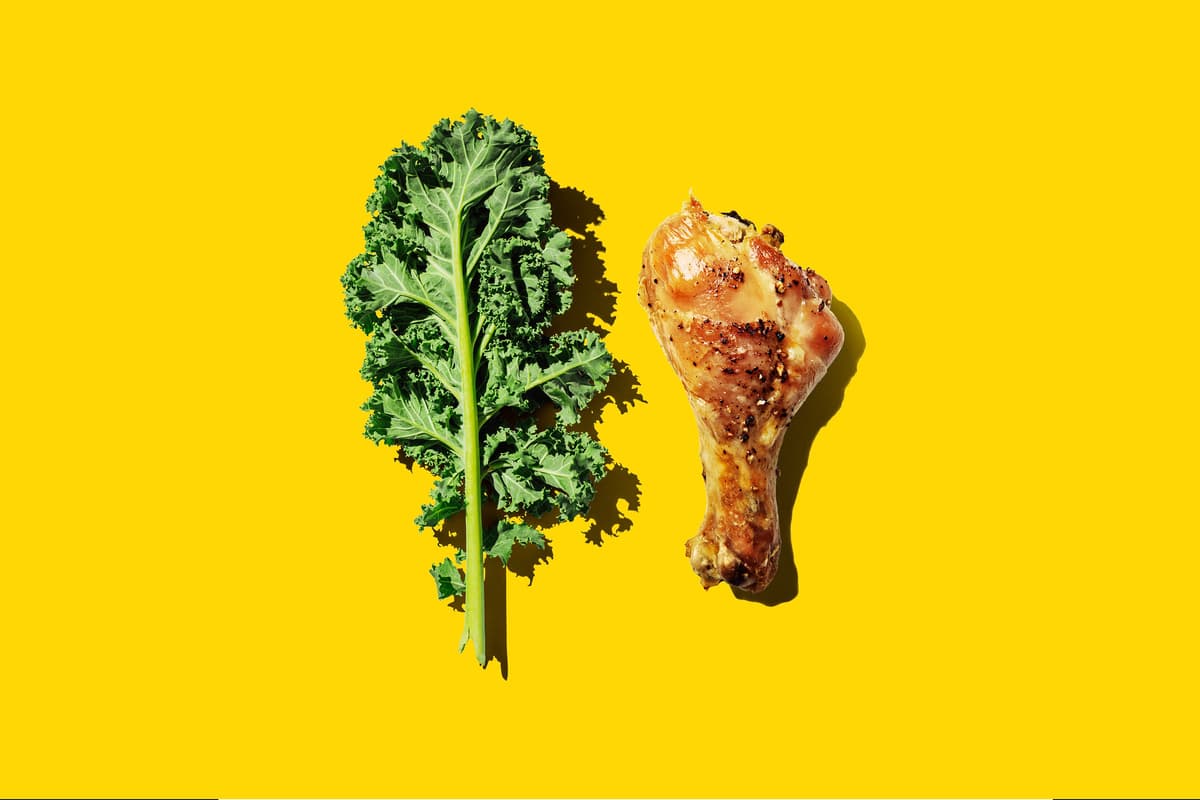
Why Wellness Went Carnivore—And What It Says About Us
Why It Matters
The shift reshapes market dynamics, boosting meat and dairy revenues while challenging plant‑based investors. It also influences public‑health messaging as consumers navigate conflicting diet advice.
Key Takeaways
- •Influencers shift from plant‑based to animal‑rich diets.
- •US red meat consumption up 24 lb per person since 2014.
- •Meat and dairy firms spent $158 million on 2025 marketing.
- •Consumers distrust ultra‑processed plant alternatives amid health concerns.
- •Experts still favor balanced, Mediterranean‑style diets with modest animal foods.
Pulse Analysis
The pendulum of wellness trends has swung dramatically in recent years, moving from the plant‑centric optimism of the early 2010s to a carnivore‑leaning resurgence championed by Instagram stars. Influencers such as Lauryn Bosstick, Bella Ma, and Hannah Neeleman now parade bone broth, raw milk, and steak as the cornerstone of radiant skin and mental clarity. This cultural pivot aligns with a broader consumer fatigue toward ultra‑processed plant milks and faux‑meats, which many now view as chemically engineered rather than wholesome. Simultaneously, political undercurrents—ranging from right‑wing identity politics to the Make America Healthy Again movement—have reframed animal foods as symbols of traditional, “natural” America.
Industry players have seized the moment, allocating record marketing dollars to reshape narratives around meat and dairy. In 2025, meat producers spent roughly $38 million and dairy companies over $120 million on advertising, research, and influencer partnerships, collectively exceeding $158 million. Campaigns emphasize minimal processing, heritage farming, and the supposed health benefits of animal fats, directly countering the earlier wave of plant‑based hype. Consumer psychology also plays a role: the desire for simple, binary rules fuels viral content that glorifies “raw milk cures” or “beef as medicine,” while nuanced, balanced advice struggles to capture attention in a fast‑moving feed.
Despite the buzz, the scientific consensus remains steady. Large‑scale studies continue to link Mediterranean‑style eating—rich in vegetables, whole grains, legumes, nuts, olive oil, and modest animal products—to lower rates of heart disease, cancer, and cognitive decline. Recent research even suggests full‑fat dairy may have neutral or slightly positive cardiovascular effects, though processed meats still carry a heightened cancer risk. For consumers seeking sustainable health outcomes, the pragmatic path is to prioritize minimally processed foods, diversify protein sources, and keep red and processed meat to recommended limits, rather than chasing the next viral diet trend.
Why Wellness Went Carnivore—and What It Says About Us
Comments
Want to join the conversation?
Loading comments...