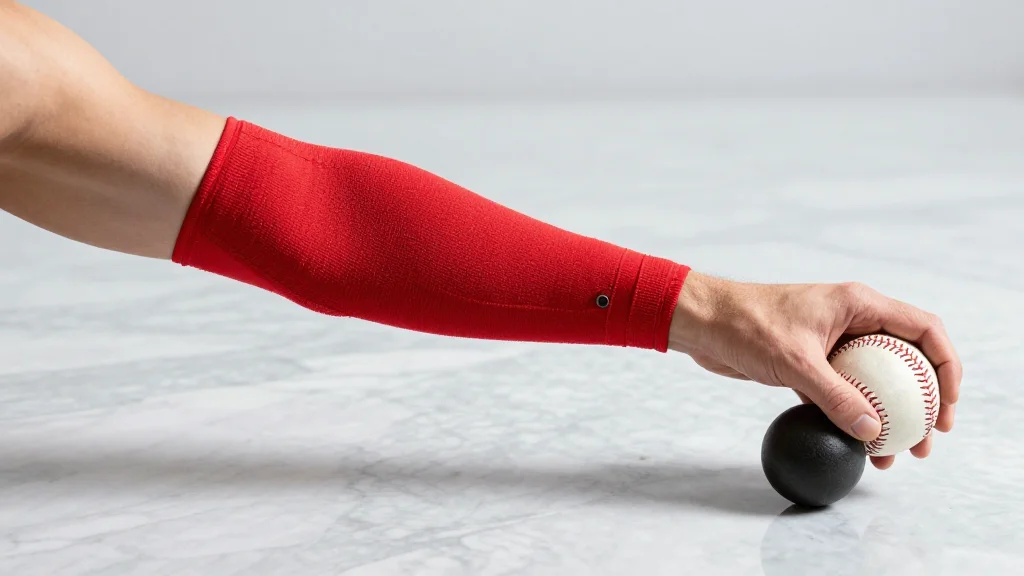
Workload, Injury Prevention and the Quest for Greater Pitching Velocity in Adolescent Baseball Players: The Sports Medicine Conundrum
Why It Matters
The rising injury burden threatens the long‑term health of youth athletes and could curtail the talent pipeline for professional baseball, prompting urgent policy and coaching reforms.
Key Takeaways
- •Overuse injuries account for up to 57% of adolescent baseball injuries
- •Pitch counts and weighted-ball programs drive higher velocity but raise injury risk
- •MLB’s 2024 expert report highlights three core recommendations for pitcher health
- •UCL reconstruction surgeries have surged twofold in the past 20 years
- •Specialization before age 12 correlates with increased shoulder and elbow fatigue
Pulse Analysis
Baseball participation in the United States now approaches 16 million, yet the sport’s youth segment faces a mounting health crisis. Recent data show high‑school shoulder injuries at 1.39 per 10,000 athlete‑exposures and elbow injuries at 0.86 per 10,000, with chronic overuse responsible for nearly 60% of all injuries. This trend reflects broader shifts in training philosophy, where the pursuit of higher pitching velocity often eclipses traditional safety safeguards, leading to a notable rise in ulnar collateral ligament reconstructions among teens.
The drivers of this conundrum are multifaceted. Pitch‑count limits, once a cornerstone of injury prevention, are increasingly ignored as coaches and players chase elite performance metrics. Weighted‑ball programs, while effective at boosting arm speed, introduce atypical stress patterns that can accelerate fatigue. Early sport specialization compounds the problem, limiting muscular diversity and recovery time. Recognizing these risks, Major League Baseball convened over 200 experts in 2024, producing a comprehensive report that emphasizes monitored workloads, biomechanical screening, and education for parents and coaches as essential safeguards.
For stakeholders, the implications are clear: without coordinated action, the pipeline of healthy, high‑velocity pitchers may dwindle, affecting both amateur competition and professional scouting. Athletic directors should integrate evidence‑based pitch‑count protocols and limit weighted‑ball sessions, while sports‑medicine practitioners must prioritize early detection of shoulder and elbow strain. As research evolves, a balanced approach that respects both performance goals and long‑term musculoskeletal health will be pivotal in preserving the future of America’s pastime.
Workload, injury prevention and the quest for greater pitching velocity in adolescent baseball players: the sports medicine conundrum
Comments
Want to join the conversation?
Loading comments...