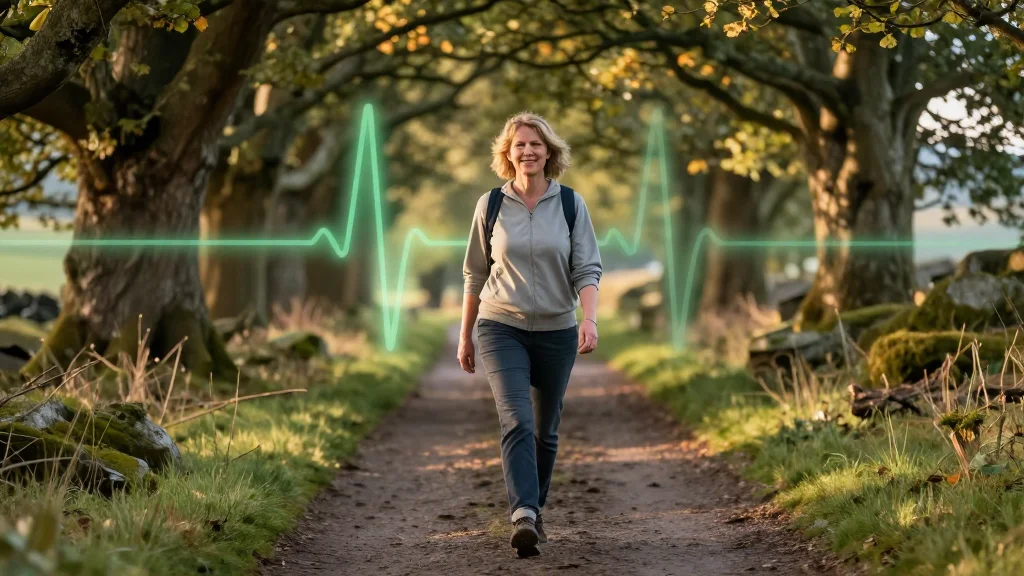
Yorkshire Dales and North York Moors Launch UK's First Natural Health Service

Why It Matters
The Yorkshire Dales and North York Moors becoming the UK's first Natural Health Service signals a paradigm shift in public health, where nature is treated as a therapeutic resource rather than a peripheral amenity. By embedding green social prescribing into NHS practice, the initiative could lower healthcare costs, improve mental‑health outcomes, and demonstrate a scalable model for integrating environmental assets into wellness strategies. It also puts pressure on policymakers to allocate funding and develop robust evaluation frameworks, ensuring that nature‑based interventions move beyond pilot projects to become a permanent fixture of community health. Beyond the immediate health benefits, the service could catalyse broader economic activity in rural tourism, create new jobs in outdoor therapy, and reinforce the UK's commitment to a "green recovery" post‑COVID. The success—or failure—of this program will likely influence how other regions balance conservation with public‑health objectives, shaping the future of wellness policy across the nation.
Key Takeaways
- •Yorkshire Dales and North York Moors designated as UK's first Natural Health Service
- •Green social prescribing integrated into NHS primary‑care pathways
- •Pilot data showed a 12% reduction in repeat GP visits for participants
- •£5 million allocated by NHS for green prescribing pilots nationwide
- •First public impact report scheduled for early 2027
Pulse Analysis
The launch of a Natural Health Service in North Yorkshire reflects a growing convergence of health policy and environmental stewardship. Historically, the NHS has struggled with rising demand for mental‑health services, prompting a search for low‑cost, preventative alternatives. Green social prescribing emerged as a promising avenue, but its adoption has been fragmented. By granting an official service label, the Yorkshire Dales and Moors initiative provides a concrete framework that other regions can emulate, potentially accelerating the mainstreaming of nature‑based care.
From a competitive standpoint, the move also positions the UK as a leader in wellness innovation, challenging other European health systems that are still experimenting with pilot programs. The integration of nature prescriptions into electronic health records could set a new standard for data‑driven public health, allowing outcomes to be measured alongside traditional clinical metrics. However, the initiative's success hinges on sustained funding, rigorous evaluation, and careful management of environmental impacts. If the quarterly reviews demonstrate measurable health improvements and cost savings, the model could attract private‑sector investment in outdoor therapy and eco‑tourism, creating a virtuous cycle of health and economic benefits.
Looking ahead, the key question is scalability. Urban areas lack immediate access to protected landscapes, so replicating the model will require creative adaptations—such as city parks, community gardens, and virtual nature experiences. The Yorkshire experiment will likely inform policy decisions on how to broaden access while preserving the ecological integrity of the sites. In sum, the Natural Health Service could become a cornerstone of a more holistic, sustainable approach to wellness, reshaping how governments think about the intersection of health, environment, and community.
Yorkshire Dales and North York Moors Launch UK's First Natural Health Service
Comments
Want to join the conversation?
Loading comments...