Your Diet May Have A Bigger Impact On Mental Health Than You Think
Why It Matters
The link between pro‑inflammatory eating and depression highlights a preventive avenue for mental‑health interventions, prompting clinicians and policymakers to consider diet‑focused strategies alongside traditional treatments.
Key Takeaways
- •Pro‑inflammatory diets linked to higher depressive symptoms in older adults.
- •Women showed 63% stronger diet‑depression association than men.
- •Gut microbiome mediates diet’s impact on mood via the gut‑brain axis.
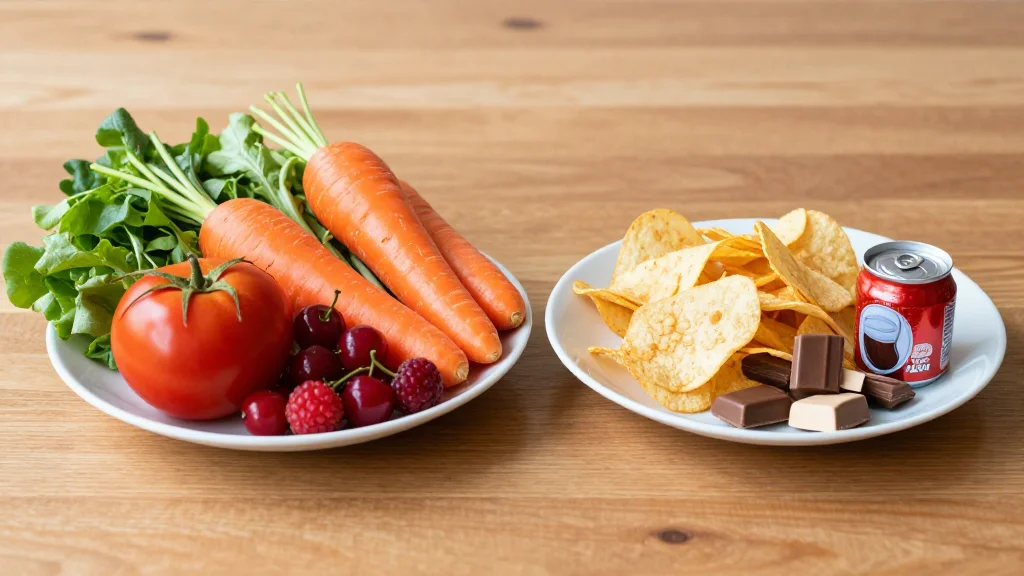
- •Anti‑inflammatory foods like leafy greens, fish, and whole grains improve mental health.
- •Small dietary swaps can reduce inflammation without drastic lifestyle changes.
Pulse Analysis
Recent longitudinal research is sharpening the conversation around nutrition and mental health. By tracking 3,740 older adults in Hong Kong for seven years, investigators demonstrated that a higher Dietary Inflammatory Index score—a composite measure of foods that promote systemic inflammation—predicts a measurable rise in depressive symptoms. This relationship persisted after adjusting for socioeconomic status, physical activity, and baseline mood, suggesting that the diet‑depression link is not merely correlative but may reflect a causal pathway. The study’s scale and duration set a new benchmark for evidence in nutritional psychiatry, encouraging health systems to integrate dietary assessments into routine mental‑health screenings.
The biological underpinnings involve a cascade of inflammatory cytokines, such as interleukin‑6 and C‑reactive protein, which can cross the blood‑brain barrier and alter neurotransmitter function. Simultaneously, the gut‑brain axis provides a bidirectional conduit where diet shapes microbial composition, influencing metabolite production that modulates brain chemistry. Women appear especially vulnerable; hormonal fluctuations during menstrual cycles, pregnancy, and menopause amplify immune signaling, magnifying the impact of an inflammatory diet on mood regulation. Understanding these mechanisms equips clinicians to tailor interventions that address both hormonal and nutritional factors.
For consumers and industry alike, the implications are actionable. Incremental changes—swapping refined grains for whole‑grain alternatives, adding a daily serving of leafy vegetables, or incorporating fatty fish twice a week—can lower the dietary inflammatory load without overhauling eating habits. Healthcare providers can prescribe anti‑inflammatory dietary patterns as adjunctive therapy for depression, while insurers may consider coverage for nutrition counseling. As research continues to unravel diet‑brain connections, policymakers have an opportunity to promote food environments that support mental well‑being, from labeling reforms to subsidies for whole‑food options.
Your Diet May Have A Bigger Impact On Mental Health Than You Think
Comments
Want to join the conversation?
Loading comments...