Why It Matters
Addressing bunions with footwear and simple at‑home techniques can keep runners active, reduce medical costs, and drive demand for orthotic products and ergonomic shoe designs.
Key Takeaways
- •Toe spacers help realign toes and ease bunion pressure
- •Wide, zero‑drop shoes reduce toe crowding and joint stress
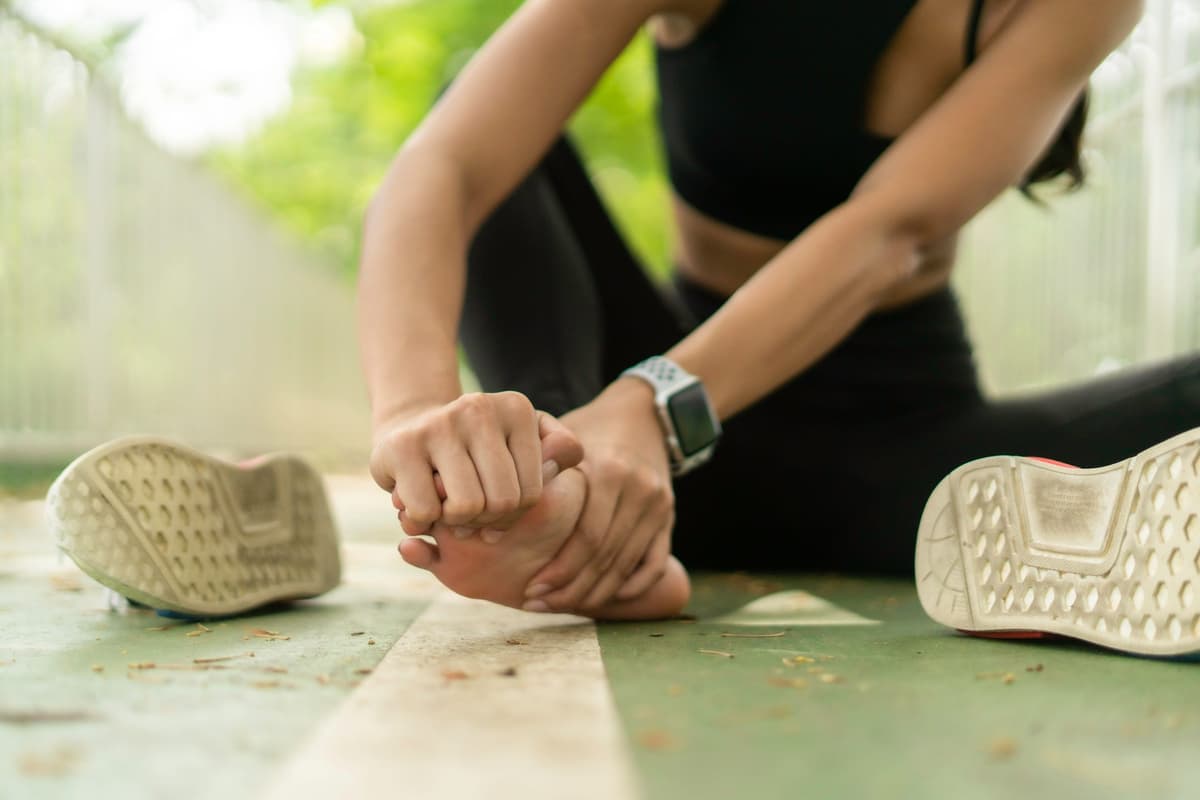
- •Bunion massage stretches adductor hallucis, easing discomfort
- •Surgery often fails without concurrent footwear changes
- •2021 study backs separators, exercises, and dry needling for relief
Pulse Analysis
Bunions affect an estimated 23 percent of adults in the United States, with prevalence soaring among runners and women who favor narrow, high‑heeled footwear. The condition stems from a combination of genetic predisposition, flat arches, and, critically, shoes that force the toes into an unnatural position. As the metatarsophalangeal joint endures repeated stress, the first metatarsal drifts outward, creating the characteristic protrusion. For athletes, this not only triggers pain but also forces compensatory gait changes that can cascade into plantar fasciitis, hammertoes, or knee injuries, underscoring the broader biomechanical impact.
Emerging consensus among podiatrists, including McClanahan of Northwest Foot & Ankle, highlights three low‑cost, non‑surgical interventions. Toe spacers—such as Correct Toes, YogaToes, or Naboso—gradually separate the digits, encouraging a more natural splay and reducing pressure on the bunion. Complementary footwear choices, particularly wide‑toe‑box models from brands like Altra, Topo, Lems, and Vivobarefoot, eliminate the crowding that fuels deformities, while zero‑drop designs promote a more balanced foot strike. Targeted bunion massage focuses on the adductor hallucis muscle, loosening tight fibers that exacerbate the bump. A 2021 systematic review in the International Journal of Environmental Research and Public Health validates this multimodal approach, noting measurable symptom relief when separators, exercises, and occasional dry needling are combined.
For the footwear industry and health‑tech market, these insights translate into expanding opportunities. Orthotic accessories—spacers, gel pads, and custom insoles—are seeing double‑digit growth as consumers seek preventive solutions. Meanwhile, shoe manufacturers are redesigning models to feature wider toe boxes and reduced heel‑to‑forefoot drops, aligning product lines with medical recommendations. Retailers that educate shoppers on proper fit and promote evidence‑based accessories can capture a savvy segment of runners eager to avoid costly surgeries while maintaining performance. The convergence of clinical guidance and consumer demand is reshaping how the market addresses foot health, making bunion‑friendly design a competitive differentiator.
Your Guide to Bunion Pain Relief and Prevention
Comments
Want to join the conversation?
Loading comments...