Your Stress & Recovery Might Depend on This Relationship Behavior
Why It Matters
The research links everyday relational habits to faster tissue repair and reduced stress hormones, highlighting a new lever for health‑focused individuals and employers seeking holistic wellness strategies.
Key Takeaways
- •Oxytocin boosts healing only when paired with affectionate touch
- •Sexual activity linked to lower daily cortisol, regardless of oxytocin
- •Physical intimacy improves stress markers and blood pressure
- •Relationship stress delays wound recovery, emphasizing conflict resolution
- •Touch and appreciation are low‑cost tools for faster healing
Pulse Analysis
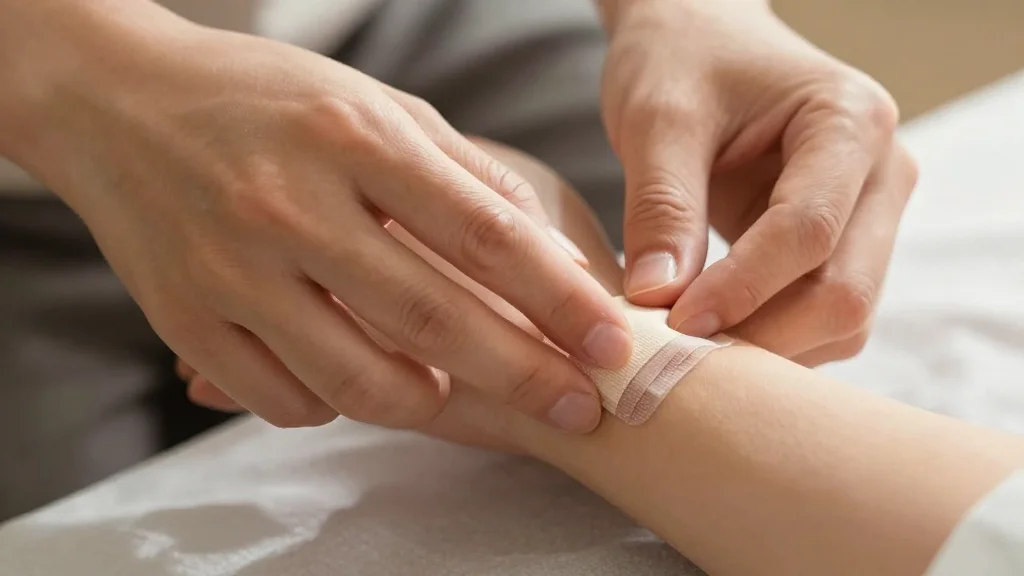
The link between love and biology has long intrigued scientists, but the new JAMA Psychiatry study provides concrete evidence that intimacy can act as a catalyst for physical repair. By administering intranasal oxytocin to 80 healthy couples and measuring skin‑blister healing, researchers isolated the hormone’s role as a "social amplifier"—it does not initiate recovery on its own, but it magnifies the benefits of genuine affectionate contact. This nuance refines earlier work that focused solely on oxytocin’s mood‑lifting properties, positioning relational touch as a measurable factor in tissue regeneration.
Beyond the laboratory, the findings have practical implications for corporate wellness and preventive health programs. Lower cortisol levels associated with sexual activity suggest that couples who maintain regular intimacy may experience reduced chronic stress, a known driver of cardiovascular disease, hypertension, and metabolic disorders. Employers could integrate relationship‑health education into employee assistance offerings, emphasizing conflict resolution and daily touch as low‑cost interventions that complement traditional fitness and nutrition initiatives. By framing connection as a health asset, organizations can address the often‑overlooked psychosocial determinants of absenteeism and healthcare costs.
For individuals, the study translates into actionable habits: prioritize brief, warm physical contact, schedule shared relaxation rituals, and resolve disagreements promptly. These behaviors not only nurture emotional bonds but also create a physiological environment conducive to faster healing and better heart‑rate variability. As the science evolves, future research may explore whether non‑pharmacologic oxytocin boosters—such as massage or mindfulness‑based couple therapy—can replicate the laboratory effects without nasal sprays. Until then, the simplest prescription remains clear: stay close, touch often, and let love do its quiet work on the body.
Your Stress & Recovery Might Depend on This Relationship Behavior
Comments
Want to join the conversation?
Loading comments...