Youth-Designed 'Blue-Green' Spaces Boost Resilience and Mental Wellness for Appalachian Adolescents
Why It Matters
By empowering adolescents to co‑design therapeutic environments, the initiative demonstrates a low‑cost, community‑driven strategy to address mental‑health gaps in under‑resourced rural Appalachia, offering a model that can be replicated nationwide.
Key Takeaways
- •Youth co‑designed “blue‑green” space transformed a concrete pad in Clay County
- •Photovoice method captured students’ stories linking water, greenery to emotional regulation
- •Study identified “Situated Strength” and “Healing and Restoring” as core resilience themes
- •Participants reported the space fostered agency, belonging, and risk‑free exploration
- •Modest investment in youth‑led outdoor design offers scalable rural mental‑health solution
Pulse Analysis
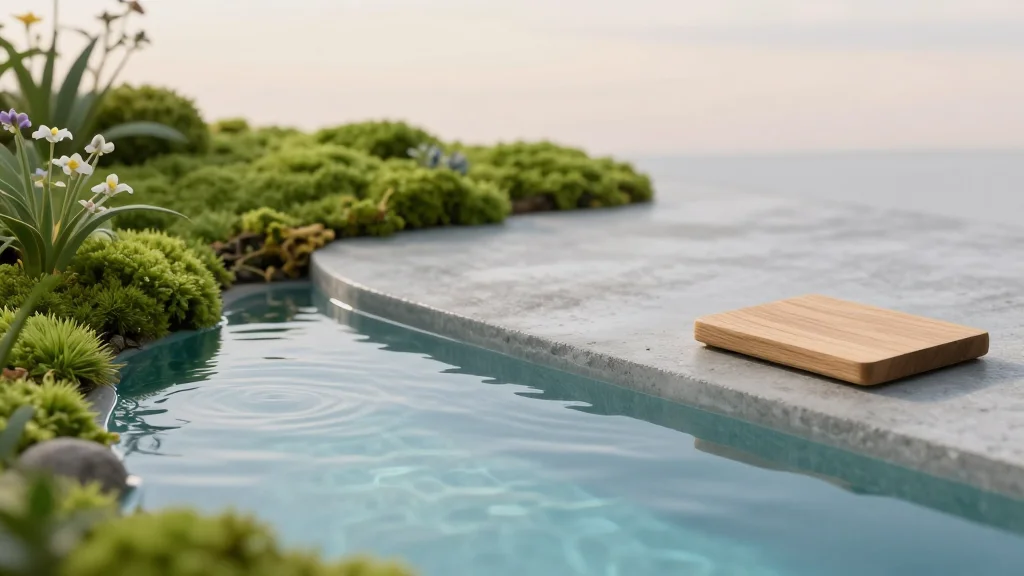
Rural Appalachia has long struggled with limited mental‑health resources, high rates of substance‑related family disruption, and geographic isolation that leaves adolescents vulnerable. In response, Georgetown University’s Berkley School of Nursing partnered with the Appalachian Community Engagement project to let high‑school students redesign an abandoned concrete pad into a “blue‑green” wellness hub featuring a small stream and native vegetation. This youth‑led approach aligns with a growing body of evidence that natural environments can act as low‑cost therapeutic settings, especially when the community itself drives the design. The site now serves as a daily gathering point for over 150 students, reinforcing social ties.
The research team employed Photovoice, a participatory imaging method, allowing students to document how water sounds and greenery facilitated cognitive decompression after classroom pressure. Analysis revealed two emergent themes: “Situated Strength,” describing how the environment became a psychological refuge, and “Healing and Restoring,” the students’ own label for the space’s restorative power. Participants repeatedly likened the area to a family porch, noting that it bridged school life with personal identity and offered risk‑free exploration that boosted agency and belonging.
Policymakers and health systems can view modest, youth‑driven blue‑green projects as scalable interventions for rural mental‑health disparities. The low capital outlay—primarily landscaping and basic water features—makes replication feasible across Appalachia’s many under‑resourced counties. Moreover, involving adolescents in design cultivates community ownership, which research suggests sustains usage and amplifies therapeutic benefits over time. As the nation grapples with a shortage of clinicians in remote areas, such environmental strategies provide a complementary pathway to bolster resilience, reduce anxiety, and promote long‑term wellbeing among vulnerable youth.
Youth-designed 'blue-green' spaces boost resilience and mental wellness for Appalachian adolescents
Comments
Want to join the conversation?
Loading comments...