Active Sitting Benefits
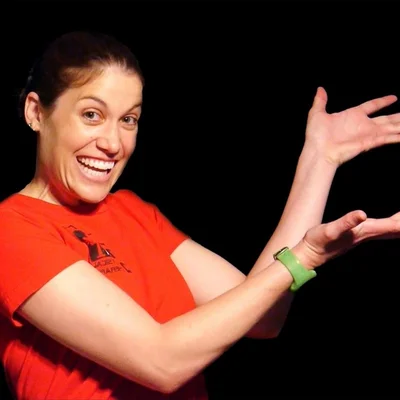
Why It Matters
Active‑sitting chairs like the Aerial 2.0 address a pervasive ergonomic gap, offering a practical way to strengthen core muscles and curb back pain for desk‑bound professionals, which can translate into healthier employees and lower workplace injury costs.
Key Takeaways
- •Active sitting engages core muscles, reducing back pain.
- •Swiss balls lack adjustability and can be unsafe for some users.
- •QR 360 Aerial 2.0 offers 360° movement with stable leg support.
- •Adjustable height and compact design suit small office spaces.
- •Gradual usage (20‑30 mins) recommended to build tolerance.
Summary
Dr. Joe introduces the concept of active sitting, emphasizing that movement while seated keeps core muscles engaged and can mitigate chronic back discomfort. He contrasts traditional static chairs with early‑2000s Swiss balls, noting their popularity but also their limitations in height adjustment and stability.
The video highlights the QR 360 Aerial 2.0 chair as a modern alternative, offering 360‑degree pelvic and hip motion while anchoring the legs for safety. Its compact footprint, height‑adjustable column, and subtle lumbar guide encourage users to sit upright without relying on bulky backrests, thereby promoting continuous muscle activation during long work or gaming sessions.
Dr. Joe cites ergonomic standards—such as the classic 90‑90 posture—and explains why the Aerial 2.0 deviates slightly to accommodate natural movement. He points out the chair’s physician‑designed pedigree, the swivel mechanism that replaces rolling a ball, and the need for a gradual acclimation period of 20‑30 minutes per day, scaling up as tolerance improves.
For office workers and remote‑team managers, the chair represents a scalable ergonomic solution that can reduce musculoskeletal complaints, lower absenteeism, and tap into the growing market for health‑focused workplace furniture. Early adopters may see measurable improvements in posture, core strength, and overall productivity.
Comments
Want to join the conversation?
Loading comments...