Exploring Chronic Pain
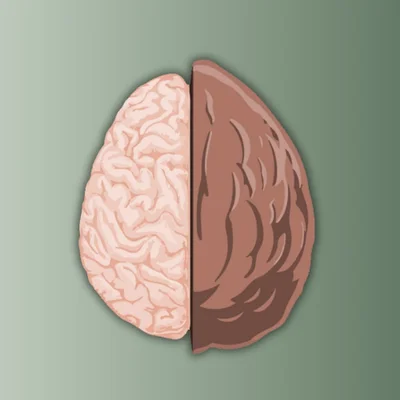
Therapy in a Nutshell (Emma McAdam, LMFT)
Therapy in a Nutshell (Emma McAdam, LMFT)Mar 21, 2026

Why It Matters

Understanding pain as a brain‑generated signal enables patients to actively rewire their neural pathways, potentially decreasing reliance on drugs and improving quality of life.

Key Takeaways

  • Brain misinterprets signals, fueling chronic pain perception in individuals.
  • Keep an evidence journal to challenge pain-related beliefs.
  • Record pain exceptions to demonstrate brain’s distraction capability.
  • Correlate stress levels and pain onset for pattern recognition.
  • Use neuroplastic strategies to rewire pain pathways effectively.

Summary

The video explores how the brain’s interpretation of pain signals can perpetuate chronic discomfort, urging viewers to view pain through a neuroplastic lens. It introduces seven practical strategies, beginning with the creation of an evidence journal, to help the mind recognize and correct erroneous pain narratives.

By documenting exceptions—moments when pain subsides despite usual triggers—viewers gather concrete proof that the brain can be distracted from fear‑driven pain. The speaker advises noting stress levels, onset circumstances, and other patterns from a 13‑point guideline list, reinforcing the notion that pain often stems from learned neural pathways rather than tissue damage.

The presenter cites Alan Gordon’s book *The Way Out* and shares anecdotes, such as a back ache that vanished during an exciting movie, and Mary’s sudden pain after her daughter’s engagement, illustrating how emotional context influences pain perception. These examples underscore the power of self‑generated evidence to reshape neural circuits.

Adopting these techniques could empower chronic‑pain sufferers to reduce reliance on medication, improve functional outcomes, and foster a proactive mindset toward healing, highlighting the broader potential for neuroplastic interventions in pain management.

Original Description

When you’re living with chronic pain, your brain naturally starts looking for evidence that something is wrong.
But what if you started collecting different evidence?
An evidence journal is a simple way to retrain your brain. Write down the moments that don’t fit the pain story—times when the pain eased up, when you moved more than expected, when you forgot about it for a while, or when something felt better than usual.
The more you notice the exceptions, the more your brain begins to loosen the grip of the old pain pathways.
FREE Mental Health Resources: https://courses.therapyinanutshell.co...
Check out my podcast, Therapy in a Nutshell: https://tinpodcast.podbean.com/
Therapy in a Nutshell and the information provided by Emma McAdam are solely intended for informational and entertainment purposes and are not a substitute for advice, diagnosis, or treatment regarding medical or mental health conditions. Although Emma McAdam is a licensed marriage and family therapist, the views expressed on this site or any related content should not be taken for medical or psychiatric advice. Always consult your physician before making any decisions related to your physical or mental health.
In therapy I use a combination of Acceptance and Commitment Therapy, Systems Theory, positive psychology, and a bio-psycho-social approach to treating mental illness and other challenges we all face in life. The ideas from my videos are frequently adapted from multiple sources. Many of them come from Acceptance and Commitment Therapy, especially the work of Steven Hayes, Jason Luoma, and Russ Harris. The sections on stress and the mind-body connection derive from the work of Stephen Porges (the Polyvagal theory), Peter Levine (Somatic Experiencing) Francine Shapiro (EMDR), and Bessel Van Der Kolk. I also rely heavily on the work of the Arbinger institute for my overall understanding of our ability to choose our life's direction.
And deeper than all of that, the Gospel of Jesus Christ orients my personal worldview and sense of security, peace, hope, and love https://www.churchofjesuschrist.org/c...
If you are in crisis, please contact the National Suicide Prevention Hotline at https://suicidepreventionlifeline.org/ or 988 or your local emergency services.
Copyright Therapy in a Nutshell, LLC

Comments

Want to join the conversation?

Loading comments...