Finding Belonging in Community — Ask Mingyur Rinpoche
Why It Matters
Understanding that belonging can be cultivated in small, flexible groups and that leaving a misaligned community is acceptable helps retain diverse practitioners and strengthens overall engagement.
Key Takeaways
- •Community naturally experiences ups and downs; growth comes from both.
- •Inclusivity requires acknowledging diverse backgrounds and honoring differing experiences.
- •Small groups, even two people, can serve as effective sangha.
- •When a community feels mismatched, consider leaving and practicing independently.
- •Universal connection links practitioners beyond immediate relationships, preventing isolation.
Summary
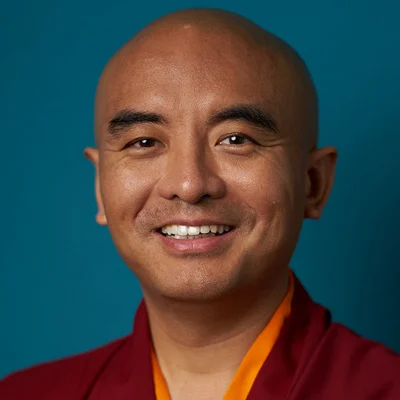
Mingyur Rinpoche fielded a question about belonging and inclusivity within Buddhist sangha, probing how newcomers can find a supportive environment when community dynamics feel unwelcoming. He framed the discussion around the inevitable ups and downs of any group and the importance of love, compassion, and wisdom as guiding principles. He emphasized that community tension is normal and can be a source of growth, but participants should not feel trapped. Small gatherings—sometimes just two or three people—can constitute a valid sangha, offering the same depth of practice as larger groups. When a setting consistently feels misaligned with one’s background, Rinpoche advised the option of stepping away and cultivating practice independently. Rinpoche’s remarks included a candid observation: “If it’s not too bad, we need to see some communities like poison too bad then we leave the community,” underscoring the pragmatic choice of leaving a toxic environment. He also highlighted a sense of universal connection that binds practitioners beyond immediate relationships, assuring that no one is truly alone. For meditation teachers and organizations, the talk signals a shift toward flexible, inclusive structures that honor diverse life experiences. By recognizing the legitimacy of small‑group practice and the right to disengage from unhealthy dynamics, communities can retain members, foster resilience, and deepen collective wisdom.
Comments
Want to join the conversation?
Loading comments...