How to Be Less Impulsive
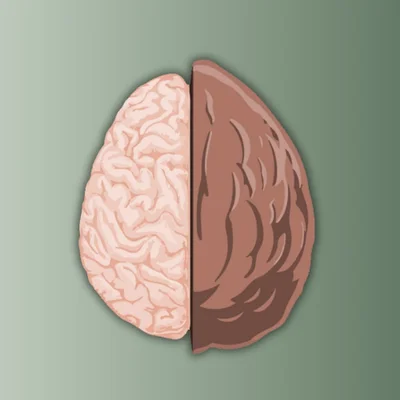
Why It Matters
Slowing impulsive reactions strengthens executive function, reducing costly mistakes in spending, health, and relationships.
Key Takeaways
- •Use a “slow breath” or delay phrase to buy thinking time
- •Practice slowdown techniques in low‑stress situations for muscle memory
- •Visual reminders cue the brain to pause before impulsive actions
- •Create physical barriers, e.g., remove cards from apps, to deter impulses
- •Delay major decisions until after sleep or a break
Summary
The video teaches practical strategies to curb impulsivity by deliberately slowing down decision‑making.
It recommends simple “slow‑down” tricks—taking a deep breath, using delay phrases like “let me think,” or asking for a bathroom break—to create a pause. It stresses rehearsing these habits in low‑pressure moments so they become automatic.
Visual cues (notes on credit cards, phone lock screens) and physical barriers (removing alcohol, storing snacks in the freezer, taking cards out of one‑click apps) reinforce the pause. The speaker cites personal examples, such as telling a child “I need a minute” or deferring a big purchase until consulting a colleague.
By expanding the stimulus‑response gap, individuals give their prefrontal cortex time to engage, leading to more intentional choices. The techniques are especially valuable for those with ADHD or high reactivity, and can improve financial, health, and relational outcomes.
Comments
Want to join the conversation?
Loading comments...