How to Know If Your Form Is Actually Wrong #weightlifting #technique #fitness
Why It Matters
Understanding and correcting form prevents injury, enabling consistent strength gains and longer athletic careers.
Key Takeaways
- •Weightlifting should never cause lingering pain after sets.
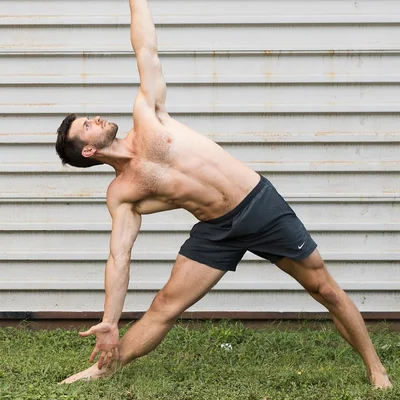
- •Engage proper muscles via isometric yoga to improve technique.
- •Slower, controlled reps reduce soreness and injury risk.
- •Feeling muscles work indicates correct form, not just finishing reps.
- •Incorporating isometrics enhances performance and long‑term joint health.
Summary
The video tackles a common misconception that weightlifting must be painful, urging lifters to reassess form when soreness lingers. The presenter shares personal experience of grinding through reps in his teens and early twenties, only to discover that persistent aches are a signal of improper technique, especially as the body ages.
Key insights include the importance of activating the right muscle groups before loading weight, a practice borrowed from yoga’s isometric postures. By slowing down the lift and focusing on muscle engagement, athletes can reduce post‑workout soreness, avoid strains, and improve overall lifting efficiency. The speaker emphasizes that pain‑free sessions are not only possible but essential for sustainable progress.
He notes, “It shouldn’t hurt,” and warns that treating sets as a chore—lifting merely to finish—often leads to stiffness and injury. The anecdote about integrating yoga‑based isometrics illustrates how proper activation transformed his deadlift experience, eliminating the day‑after ache and enhancing performance.
For the broader fitness community, the message underscores that proper form, deliberate tempo, and targeted muscle activation are critical for longevity and results. Incorporating isometric training can safeguard joints, boost strength gains, and make weightlifting a healthier habit across age groups.
Comments
Want to join the conversation?
Loading comments...