Medical Treatments for Overthinking
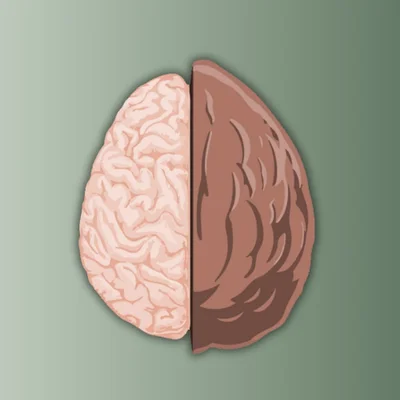
Therapy in a Nutshell (Emma McAdam, LMFT)
Therapy in a Nutshell (Emma McAdam, LMFT)Jun 19, 2026

Why It Matters

Integrating neuroplasticity‑focused medications or TMS with cognitive therapy provides a faster, more durable exit from rumination, reducing personal distress and workplace costs.

Key Takeaways

  • Rumination creates rigid thought patterns, fueling depression and anxiety.
  • SSRIs may boost neuroplasticity, enabling new neural connections.
  • Ketamine increases BDNF, promoting neuron growth and circuit repair.
  • TMS offers office-based, low-side-effect stimulation for flexible thinking.
  • Combining medical treatments with cognitive therapy maximizes recovery.

Summary

The video addresses how rumination—described as a deep rut—locks thinking patterns, leading to depression, hopelessness, and anxiety.

It outlines three medical interventions that can reshape neural pathways: SSRIs, now viewed as neuroplasticity enhancers; ketamine therapy, which raises brain‑derived neurotrophic factor to foster new neuronal branches; and transcranial magnetic stimulation (TMS), an office‑based, low‑side‑effect technique that stimulates cortical activity.

A collaborating psychiatrist likens these treatments to fresh snow on a ski hill, making it easier to leave icy ruts and carve new trails. The speaker stresses that medication alone is insufficient without cognitive therapy.

Pairing pharmacologic or neuromodulation approaches with psychotherapy accelerates recovery, offering a viable strategy for individuals and employers seeking to reduce mental‑health‑related productivity losses.

Original Description

If your brain gets stuck in endless loops of overthinking, replaying conversations, or analyzing every possible outcome, it may not just be a "mindset" issue.
Rumination can be a symptom of anxiety, depression, OCD, and other mental health conditions.
While therapy and skills are often important parts of treatment, there are also medical options that can help.
For some people, SSRIs can reduce the intensity of obsessive thinking and anxiety. For others, treatments like TMS (Transcranial Magnetic Stimulation) may help when symptoms have been difficult to treat.
You don't have to white-knuckle your way through constant mental loops.
Seek out help if you truly need it.
FREE Mental Health Resources: https://courses.therapyinanutshell.co...
Check out my podcast, Therapy in a Nutshell: https://tinpodcast.podbean.com/
Therapy in a Nutshell and the information provided by Emma McAdam are solely intended for informational and entertainment purposes and are not a substitute for advice, diagnosis, or treatment regarding medical or mental health conditions. Although Emma McAdam is a licensed marriage and family therapist, the views expressed on this site or any related content should not be taken for medical or psychiatric advice. Always consult your physician before making any decisions related to your physical or mental health.
In therapy I use a combination of Acceptance and Commitment Therapy, Systems Theory, positive psychology, and a bio-psycho-social approach to treating mental illness and other challenges we all face in life. The ideas from my videos are frequently adapted from multiple sources. Many of them come from Acceptance and Commitment Therapy, especially the work of Steven Hayes, Jason Luoma, and Russ Harris. The sections on stress and the mind-body connection derive from the work of Stephen Porges (the Polyvagal theory), Peter Levine (Somatic Experiencing) Francine Shapiro (EMDR), and Bessel Van Der Kolk. I also rely heavily on the work of the Arbinger institute for my overall understanding of our ability to choose our life's direction.
And deeper than all of that, the Gospel of Jesus Christ orients my personal worldview and sense of security, peace, hope, and love https://www.churchofjesuschrist.org/c...
If you are in crisis, please contact the National Suicide Prevention Hotline at https://suicidepreventionlifeline.org/ or 988 or your local emergency services.
Copyright Therapy in a Nutshell, LLC

Comments

Want to join the conversation?

Loading comments...